
Hospitality designers are paying closer attention to every visible surface in guest rooms, corridors, bathrooms, lobbies, and branded apartment projects. A hotel wall mirror is no longer selected only for reflection and decoration. Buyers now compare frame material, moisture resistance, installation safety, packaging strength, lead time, replacement risk, and whether the mirror supports the warmer, more tactile hotel interior trends shaping 2026. Wooden wall mirrors are gaining attention because they can add visual warmth without requiring major architectural changes.
Why are wooden wall mirrors becoming more relevant in hotel interior trends?
Designing hotel interiors to feel more personal, more comfortable and to have more soul with more emphasis on materiality. Forecasted by Wimberly Interiors for 2026 hospitality design, these are the design directions such as; authenticity, warmth, sensory experience and material honesty.
How do wooden mirrors support warmer hospitality spaces?
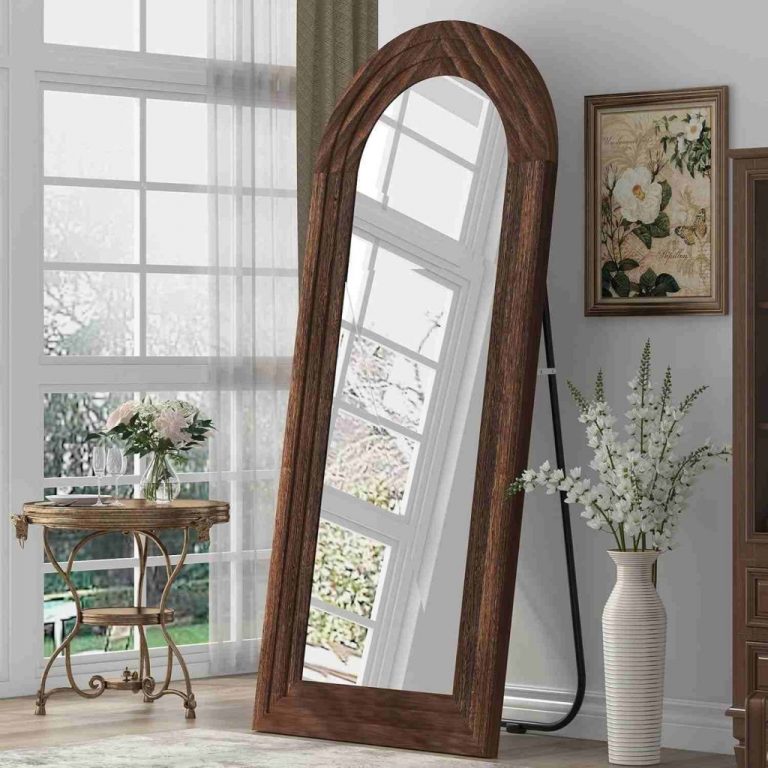
By incorporating wooden frames to certain elements within spaces primarily consisting of stone, tile, glass, metal and painted drywall; can actually soften up a room. A wooden hospitality mirror on a bathroom vanity can create a warmer welcome in a guest bathroom, whilst a wooden framed piece of art or console in a lobby or corridor will add texture to a space without taking up too much floor space.
A designer’s preferred link between a mirror and a headboard, wall panels, shelving, doors or pieces of furniture, in wood, creates a coordinated look without the sense of a matching set having been purchased.
Why does material texture matter to hotel guests?
Most of the time, mirrors are placed in guest areas such as bathrooms, dressing rooms or public spaces where guests get ready, check themselves out from time to time or spend time in a particular area. The frame of the mirror is clearly visible when one is standing close to it. A very flat, very thin and very cheap frame of a mirror does not project a lot of luxury in a very high end setting.
The quality of a room can be greatly affected by several factors, including the wood grain, the depth of the stain, the corners and the frame profile. This is why experienced project buyers always request physical samples before approving a commercial wall mirror for a hotel program.
How should buyers select wooden wall mirrors for different hotel areas?
When installing products in different hotel zones, different design, safety and maintenance aspects may apply. A mirror installed in a dry bedroom wall may not be suitable to be installed next to a bathroom vanity that is exposed to high humidity.
What should designers check for guest rooms and suites?
For guest rooms, consideration must be given to scale, the style of furniture, fix to walls and safety for guests. Full length mirrors are often used against the longest wall in the room, against wardrobes, against the back of an entry or dressing area and against a feature corner. Small decorative mirrors can be used against the back of a desk, against the back of console tables and against the back of accent walls.
It is also worth checking the total weight of the mirror. For extremely busy hotels with a large maintenance team the design of the mirror should enable it to be easily removed from the wall and replaced by maintenance staff without causing damage to the wall.
What should be checked for bathrooms and vanity areas?
In bathroom environments more care has to be taken because of the high humidity. The behavior of solid wood, engineered wood, MDF and veneer differs considerably. The supplier has to inform about surface treatment, edge protection, backing and application.
A wooden hotel wall mirror for a bathroom also has to fit into the overall lighting plan for the bathroom. If the mirror is placed next to wall lamps, LED-strips or the vanity light, the frame color and finish have to be checked for their look in reality, not only in the catalog pictures.
| Hotel area | Recommended mirror focus | Buyer risk to check |
|---|---|---|
| Guest room | Scale, frame style, safe fixing | Heavy weight or weak hangers |
| Bathroom vanity | Moisture resistance, sealed edges | Swelling, warping, coating damage |
| Lobby wall | Decorative impact, large size | Transport breakage and installation labor |
| Corridor | Slim profile, repeatable quality | Scratches during cleaning or luggage contact |
What quality details separate a project-ready hospitality mirror from a retail mirror?
A hotel room is typically mass produced in many repetitions and therefore one impressive sample is not enough for a buyer to make a purchasing decision. He also has to check production, packaging and installation in detail to be able to purchase in large quantities without problems.
Which glass and frame details should be inspected?
For the mirror glass buyers want to check the Clarity, Distortion, Edge finishing, the safety of the backing and the Consistency of the coating. For the wooden frame buyers want to check the Joint quality, the Surface smoothness, the Color tolerance, the Finish durability and whether the corners have been reinforced.
For hotel projects color control is key. Even the smallest variation of color is acceptable for a product sold in a home retail environment. However repeated use of mirrors in rooms or corridors will quickly highlight up any uneven staining.
How does packaging affect real project cost?
Strong packaging of mirrors is costly at quotation stage but the lack of it can lead to higher costs due to breakage, delays, claims and urgency to replace products quickly.
For export orders, buyers should ask about carton structure, corner protection, foam or paper-based cushioning, pallet loading, and drop-test experience where available. Packaging should protect the mirror without adding unnecessary waste.
What sustainability and compliance issues should hotel buyers consider?
Natural design can be achieved through the use of Wooden Mirrors however please do not automatically presume that ‘wooden’ means ‘sustainable’. We need to review the sourcing of the material, the finish, packaging and all supporting documentation.
Is FSC certification mandatory for wooden hospitality mirrors?
FSC is a voluntary forest certification and a chain-of-custody certification, for wood products, including wooden mirrors. In their own words: By becoming FSC certified, companies in the wood business support responsible forestry and trade of certified wood products.
For hotels FSC certified wood or paper for packaging can be relevant for brands that have set sustainability procurement rules. It is important to check if the certification applies to the actual product, the factory where it is produced, the material of the product or only the packaging.
What documentation should procurement teams request?
This list could include: frame material details, finish details, glass thickness, safety backing details, fixings used for installation, packaging details and supplier documentation of restricted substances where relevant.
For large hotel projects, it is advisable that the buyer specifies minimum order quantities, sample approval time, color tolerance, mirror replacement, spare stock holding and lead time as these aspects are just as important for the project’s realization as the mirror itself.
How can buyers control cost without weakening the design concept?
Wall mirrors made from wood can be found within any given budget. Yet the cost of a mirror depends on no less than 6 different factors, namely the material, the size, the finish, the frame, the packing and the quantities ordered. Avoiding any unnecessary cost drivers is more important than purchasing the cheapest frame.
Which specification choices have the biggest cost impact?
Large mirror sizes increase cost of glass, cost of frame materials, packaging volume and freight risk. Deep frame profiles and unusual shapes increase labor and increase rejects. Custom finishes can help brand but require sample rounds and very close color control.
A buyer can generally control cost on a number of fronts including trying to standardize a few sizes, trying to standardize a few finish options and trying to approve just one packaging option for a project.
When is a custom wooden mirror worth considering?
We would suggest using custom mirrors if you are looking for a particular look of a Hotel Brand, unusual sizes or specific frame finish to match the furniture and millwork. In cases where the project has limited time, constantly changing specs or insufficient time for approval of samples then off the shelf mirrors would be more suitable.
Before placing an order it is recommended that the buyer confirms the drawings, samples, hanging, wall types, packing marks and installation instructions. This can help to prevent disputes from arising once production has commenced.
How can Qingdao Yinlongfei Handicraft support wooden wall mirror sourcing?
Once the design and technical requirements have been established, the buyer needs to find a supplier who can discuss the details of the mirror construction, the frame options, the packaging etc. and then actually execute the order.
What supplier role does the company fit?
Qingdao Yinlongfei Handicraft Co., Ltd. is a manufacturer of home decoration products, such as mirror, framed mirror, photo frame, some kinds of small furniture, wood craft, etc. A Mirror supplier for hotel wall mirror and wall decor could be of relevance to a buyer comparing wood-framed mirrors or looking for a supplier of decorative mirrors. Also, a supplier can be of relevance if a buyer wants to know about export packaging for a mirror procurement project and if a buyer wants a supplier to custom-make a product for a specific project.
Conclusion
A Hospitality Mirror made from wood is currently becoming more and more attractive for hospitality designers, because they can support a hotel to get a warmer, more tactile and personal atmosphere in all their rooms as well as public areas. As well as looking nice in a hotel a Hospitality Mirror can link the vain area in the bedroom through to the guest room, corridors and public areas such as a lobby all without the need for any construction changes. When buying a commercial wall mirror it is best to check out all the specifications and also make sure you receive a lot of documentation with the item to ensure correct installation, also check out the sustainability of the item especially if there is wood involved and/or wood certification is a requirement of the project.
FAQs
1. Why are hotel designers choosing wooden wall mirrors in 2026?
Wooden wall mirrors have become a favorite of hotel designers. Wooden wall mirrors add warmth and texture to hotel rooms, bathrooms, corridors and hotel lobbies. They give them a residential feeling that guests appreciate.
2. Is a wooden hotel wall mirror suitable for bathrooms?
Yes, all of them but it would be important to inspect frame, finish, backer and edging. This area of the house is more humid than where you are painting the guest rooms so would require better moisture resistance.
3. What is the difference between a hospitality mirror and a home retail mirror?
Additional challenges that can be addressed for the hospitality mirror: stronger packaging, repeatable quality, safer mounting, complete documentation, better finish in multiple rooms.
4. Should hotel buyers request FSC-certified wood?
FSC certified wood could be of interest when a hotel brand has sustainability sourcing requirements. Buyers should clarify if the sustainability certification in fact applies to the actual wood material, the end product, packaging or the supplier’s chain of custody.
5. What should buyers confirm before ordering a commercial wall mirror?
It is advisable to double check the details such as size, frame material, finish sample, glass thickness, back, hanging etc, as well as packaging details, lead time, MOQ, warranty terms and other relevant documents needed to sell in the target market.