

A full length mirror can be used as a piece of household furniture as well as a beautiful feature to any bedroom, dressing room, hotel room, shop floor or interior project. A large mirror can be very easily cleaned without leaving any streaks, but it does require more than just spraying some glass cleaner on the mirror and then wiping it down with a cloth. Not only can the wrong cleaning methods leave unsightly marks and residue on a mirror, they can also scratch the surface of the mirror, damage any coatings that have been applied to the glass and reduce the lifespan of the mirror. For homeowners, retailers and buyers of project rooms, the correct method for cleaning a full length mirror as well as some tips for the maintenance of a long length mirror will be very useful in ensuring that the mirror always looks its best and continues to provide a great reflection for years to come.
Why does proper cleaning matter for a full length mirror?
Mirrors with larger surface areas have more visible area to be affected by dust, finger prints, water marks, and cleaning solution residue. Protecting the appearance and the structural integrity of your mirror with regular cleaning and maintenance is key.
How can incorrect cleaning damage a mirror?
Mirror problems with mirrors are more often related to the way the mirrors are cleaned rather than a problem with the mirror itself. Problems can occur due to excess moisture, harsh chemicals, abrasive cleaning cloths and even direct spraying of liquids at the mirror. The coatings, edges and backing layer of the mirror can all be damaged by such problems.
A Mirror’s reflective coating is generally protected by paint or other protective coatings on the back of the mirror. The edges, however, can become damaged allowing moisture to penetrate. Stains or dark circles, discoloration or other deterioration can occur over time at the edges of a mirror.
Why is maintenance important for large floor mirrors?
Because a floor length mirror is typically a larger product than other mirrors, it can receive more touches, be moved more often, and be exposed to a wider variety of environments. For example, a bedroom mirror may have smudges of finger print and dust on it from time to time, while a mirror on display in a retail environment may require to be cleaned frequently by store staff as customers touch it from time to time.
A simple routine of cleaning can help prevent buildup and go a long way in preventing the need for very aggressive cleaning later on.
How can you clean a full length mirror without streaks?
A correctly cleaned full length mirror will allow you to see clearly and also not have any unnecessary damage to the mirror surface.
What cleaning tools work best for mirrors?
The tools that you will need for the cleaning process greatly affect the outcome of the cleaning. These are the tools that you will typically need for the cleaning process:
- Microfiber cloths
- Soft lint-free towels
- Mild glass cleaner
- Clean water
- A spray bottle
- A soft brush for corners and frames
Microfiber materials are designed to pick up dust and fingerprints without leaving behind any microfibers. Many paper towels can appear to clean a surface at first but can actually leave behind small particles of paper or even streak marks.
How should you clean a mirror step by step?
A practical cleaning process includes:
- Use a dry microfiber cloth to remove dust from surface.
- Instead of spraying a lot of cleaner directly onto the mirror, apply the cleaner to the cloth.
- Wipe from top to bottom using overlapping movements.
- Corners and edges are very prone to accumulating dirt.
- Dry the surface with a dry microfiber cloth to remove any remaining moisture.
This is a guide on how to clean mirrors without leaving any streaks on them, as typical problems like this are often caused by excessive liquid, dirty cleaning cloths or not allowing the mirror to dry properly.
Which cleaning products should be avoided on full length mirrors?
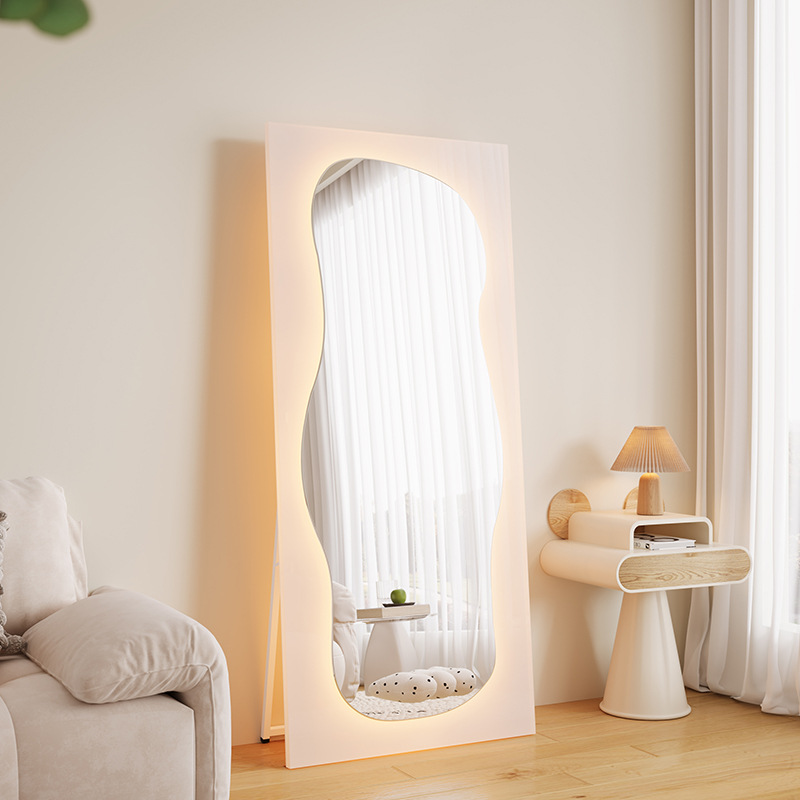
Not all glass cleaners are suitable for long-term mirror maintenance. Some cleaners can affect the mirror coatings or leave unsightly marks and residue.
Why should harsh chemicals be avoided?
Acid, alkaline cleaning solutions, abrasive powders, and harsh solvents can damage the coatings on mirrors as well as other components of the mirror frame. Even though the glass surface of the mirror may appear to have been cleaned satisfactorily, it can still cause damage to the protective coatings on the back of the mirror through subsequent use.
For commercial projects it is worth checking if the cleaning staff are given product guidelines. A good cleaning process should avoid any accidental damage caused by improper cleaning.
How do water quality and residue affect mirror appearance?
Water from hard water contains minerals which can leave marks which dry to visible residue. If you clean your mirrors with untreated water in areas where there are high levels of minerals in the water, white spots can appear on the mirrors over time.
Clean water and proper drying of the surface can help prevent mineral residue. This is particularly important for bathroom mirrors and mirrors in very humid locations.
How does full length mirror maintenance extend product life?
Regular maintenance is not just about the reflective surface. It also protects the frame, the backing material and the conditions under which the chart was installed.
What maintenance checks should owners perform?
A basic full length mirror maintenance checklist includes:
| Inspection item | What to check |
| Mirror surface | Scratches, stains, coating problems |
| Edges | Moisture damage or dark spots |
| Frame | Loose parts, corrosion, deformation |
| Installation | Stability and support condition |
| Backing | Signs of damage or separation |
Regular checks on these areas will allow for any problems to be sorted before they become major issues requiring extensive repair.
How should mirrors be maintained in commercial environments?
Hotel rooms, clothing retailers, hair salons and showrooms typically need to have their mirrors cleaned on a more frequent basis than other types of mirrors. A mirror cleaning schedule can be devised by a facility’s maintenance staff, in relation to the mirror’s degree of use.
Commercial users should train staff not to rest heavy objects against mirrors, to avoid using sharp objects near the surface of mirrors, and to avoid using too much pressure when cleaning mirrors.
What factors affect the long-term quality of a full length mirror?
Of course, cleaning is only a small part of the mirrors’ durability. The main factors are the product’s quality, the used materials and the mounting.
How do glass quality and coating affect maintenance needs?
The higher quality of the mirror glass used will create a sharper and clearer reflection, also a more consistent appearance. The coating system used behind the glass affects the protection of the mirror against moisture and the environment.
When purchasing mirrors, buyers should ask about glass thickness, edge processing, backing protection, and packaging methods. These details are especially important for export shipments and large-size mirrors.
Why do frame materials matter?
A mirror frame is holding a mirror structure and is influencing its look and life span. There are many different materials used for making a mirror frame. Common materials are metal, wood, MDF and many other materials that can be used for making decorative elements.
Each material requires maintenance to a different extent. Metal door and window frames must be protected against corrosion, while wooden door and window frames must be protected against too much moisture.
How should buyers choose a supplier for full length mirrors?

The selection of suppliers has an influence on product consistency, delivery reliability and after sales service. This is particularly relevant for large orders and special productions.
What should buyers check before placing an order?
A practical buyer checklist includes:
- Glass specifications
- Mirror size options
- Frame materials
- Edge finishing
- Packaging protection
- Customization capability
- Sample approval process
- MOQ requirements
- Production lead time
- Replacement policy
These factors allow buyers to make a more informed decision and assess a supplier over and above price.
Why are packaging and customization important?
Large mirrors are sensitive products during transportation. Bad packing can cause breakage of the glass as well as crack of the frame. And, of course, also cause complaints of customers.
For Retailers/Project Buyers, Customization could also mean specifying frame color, size, shape and packaging requirements and the importance of clear communication to avoid mistakes in production.
Which supplier can support full length mirror projects?
Qingdao Yinlongfei Handicraft offers a wide range of home decor products such as full length mirror, for customers looking for mirror products. The supplier supports the buyer in choosing the right products, communication for customization and production according to the buyer’s design requirements. Suppliers supporting retailers, interior designers and distributors offer mirror styles, frame options, packaging, etc. and support the buyer in placing the order. However, the buyer must compare specifications, material, prices, shipping information and service of the supplier himself before placing an order.
Conclusion
Clean full length mirror: Keep the mirror clean for a great reflection and to keep it looking great for years to come. Learn about the best cleaning tools and products to use on your mirror as well as how to perform regular full length mirror maintenance to prevent streaks and scratches as well as to prevent stains and damage to mirror coating. Also learn about the types of glass used in mirrors as well as frame materials and how a mirror is packaged and shipped as well as what kind of customer service and support you can expect from a supplier of mirrors for homes and for commercial use. With the right care and cleaning of a mirror, it can last for years to come and with a great appearance.
FAQs
1. How often should a full length mirror be cleaned?
The frequency with which you would clean to maintain the required level of cleanliness will depend upon the products that are being displayed on the mirrors in question, ie: a mirror in a person’s home would be occasionally cleaned whereas a mirror in retail or commercial premises would be cleaned more frequently.
2. How can I clean a mirror without streaks?
Clean your screen with a microfiber cloth, avoid too much liquid, work from top to bottom, and make sure to dry the screen after cleaning with the cloth.
3. Can vinegar be used to clean a full length mirror?
There are some diluted vinegar solutions for glass cleaning on the market however it is advised to check the compatibility with the mirror coating and frame before using on a regular basis.
4. What causes black spots on mirror edges?
Black spots on reflective road signs are usually caused by moisture having penetrated through the edge or backing of the sign to the reflective layer.
5. What should buyers check when ordering full length mirrors in bulk?
Here’s a checklist for buyers when evaluating suppliers of glass frames: Glass quality, Frame material, Dimensions, Packing, Customization options, MOQ, Lead time, After sales service etc.