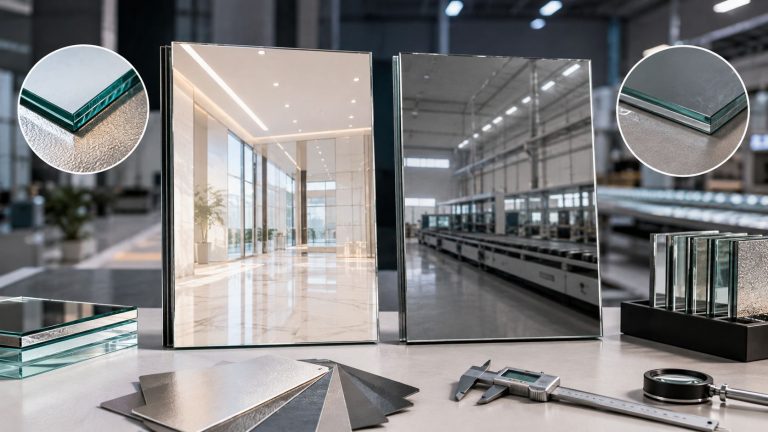
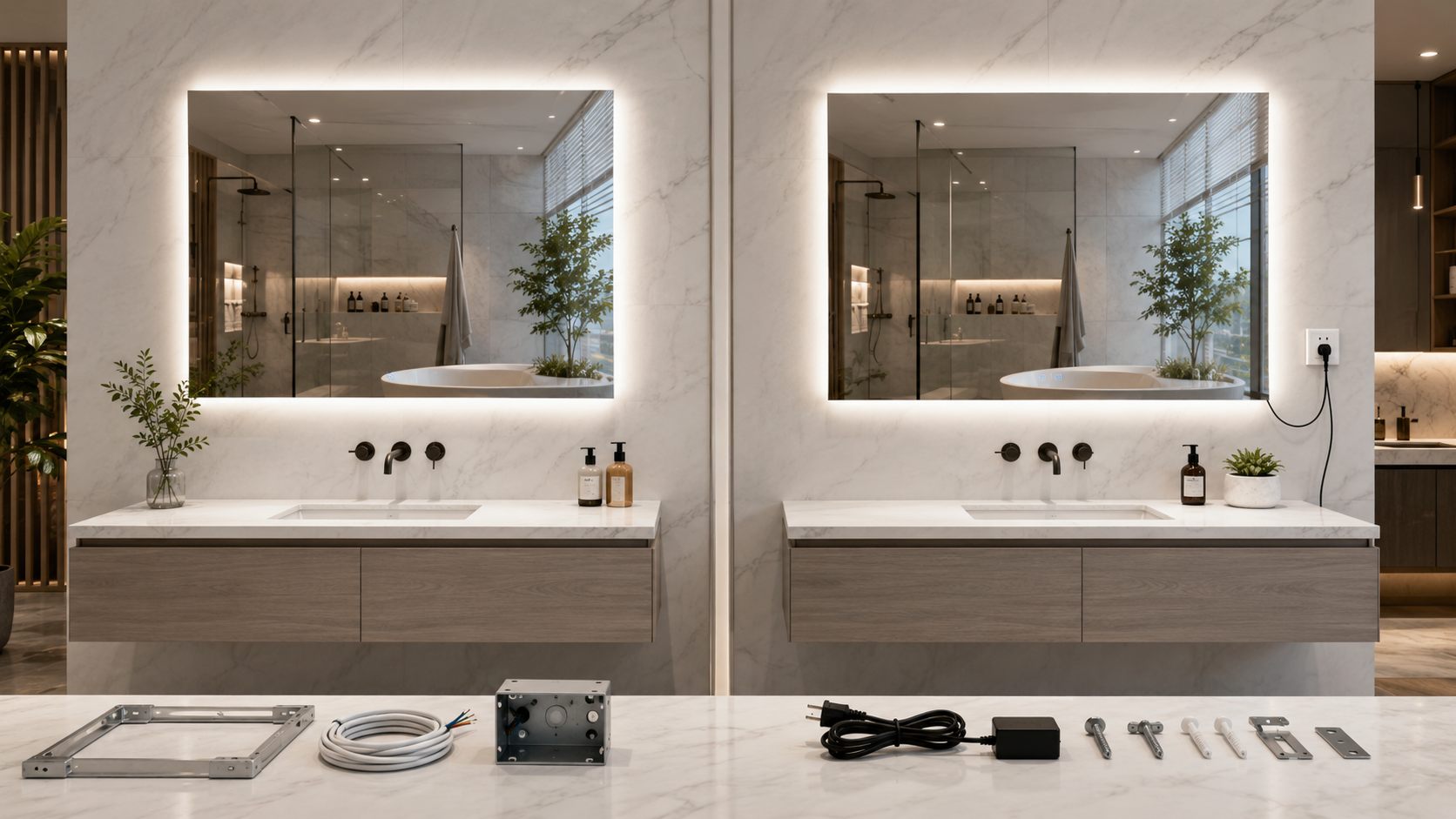
An LED bathroom mirror can be approved for shape, lighting, and finish and still create an installation problem when it reaches the project site. The reason is often surprisingly basic: the electrical connection was never treated as part of the mirror specification. A sample may be powered from a convenient plug during review, while the hotel or apartment contractor expects a concealed hardwired connection behind the mirror. For developers, hospitality buyers, distributors, and bathroom-product importers, “LED mirror” is therefore not a complete purchasing description. Power access, connection method, cable location, controls, wall construction, installation responsibility, and destination-market requirements should be discussed before the sample is approved, not after cartons arrive at the building.
What Is the Practical Difference Between Hardwired and Plug-In LED Mirrors?
The distinction is about how the mirror receives power. A plug-in arrangement uses a cord and plug connected to a suitable outlet. A hardwired installation connects the mirror into the building’s electrical system according to the project’s electrical design and local requirements.
Both approaches can be useful. The right one depends primarily on where and how the mirror will be installed.
Why Are Plug-In Mirrors Useful in Some Retail Programs?
Plug-in products can simplify certain residential or replacement situations where a suitable outlet is available and the installation concept allows the power connection to remain accessible.
For retailers, this can reduce the dependence on a fixed building layout because the customer is not necessarily purchasing the mirror as part of a new construction package.
However, the buyer should not assume that every LED mirror is automatically suitable for every plug-in installation. Cord arrangement, plug type, outlet position, bathroom electrical requirements, and user instructions still need to match the destination market.
The Round Smart LED Mirror is a useful product reference when discussing wall mounting, lighting functions, mirror sizes, and installation hardware during an RFQ.
Why Do Projects Often Consider Concealed Electrical Connections?
Hotels and new apartment developments usually coordinate mirrors with an electrical drawing before finishing the wall.
A visible cord may not fit the intended interior, and outlets may already have been positioned specifically for other bathroom equipment. A concealed electrical connection can therefore make sense when it is planned from the beginning and completed according to the applicable local electrical requirements.
The important sourcing lesson is simple: the factory needs to know the expected connection arrangement early enough to prepare the correct sample and product configuration.
What Electrical Information Should Buyers Confirm Before Requesting a Sample?
An inquiry that says “LED bathroom mirror, 500 pieces” leaves several electrical questions unanswered. The supplier may know the preferred size and shape but still not know what the contractor needs behind the mirror.
The RFQ should connect product development with the installation environment.
Power Requirements Need to Match the Destination Market
Project teams should communicate the destination market and the electrical requirements specified by their project professionals.
Do not rely on a sample developed for one market as proof that the same electrical configuration is suitable elsewhere. Plug configuration, supply conditions, certification requirements, wiring practice, and bathroom installation rules can vary.
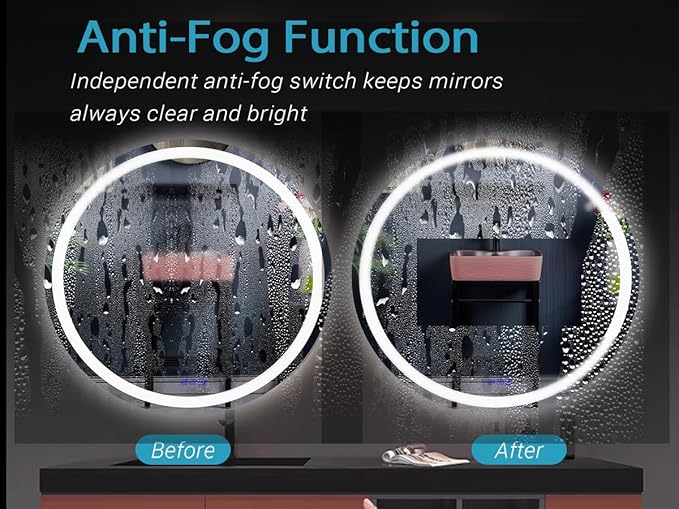
The Bathroom Mirror with LED Light Vanity Defog Mirror lists adjustable lighting, touch control, optional defogging, and other functions. Each additional electrical function becomes another reason to confirm the final configuration before the production order.
Cable and Connection Position Need to Work With the Wall
A contractor does not install a mirror in empty space. Tiles, studs, vanity position, wall boxes, switches, and existing power access can all affect the final location.
If the electrical exit point on the product and the planned connection point in the wall do not align, the installation team may need to make adjustments on site.
For a single home, that may be inconvenient. Across hundreds of hotel rooms, the same mismatch becomes a repeat installation problem.
Before the sample is finalized, share a bathroom elevation or relevant installation drawing where possible.
How Do Lighting and Smart Functions Change the Installation Specification?
An illuminated mirror can range from relatively straightforward lighting to a product with multiple functions. Touch switches, dimming, anti-fog systems, clocks, and other features change what needs to be tested during sampling.
The buyer should decide which functions belong in the SKU instead of approving every available option and sorting out the details later.
More Functions Mean More Points to Verify
A feature that works on one sample still needs to be checked for repeat production.
Confirm how the light is controlled, what functions operate independently, what happens when power is interrupted, and which components are included in the finished product.
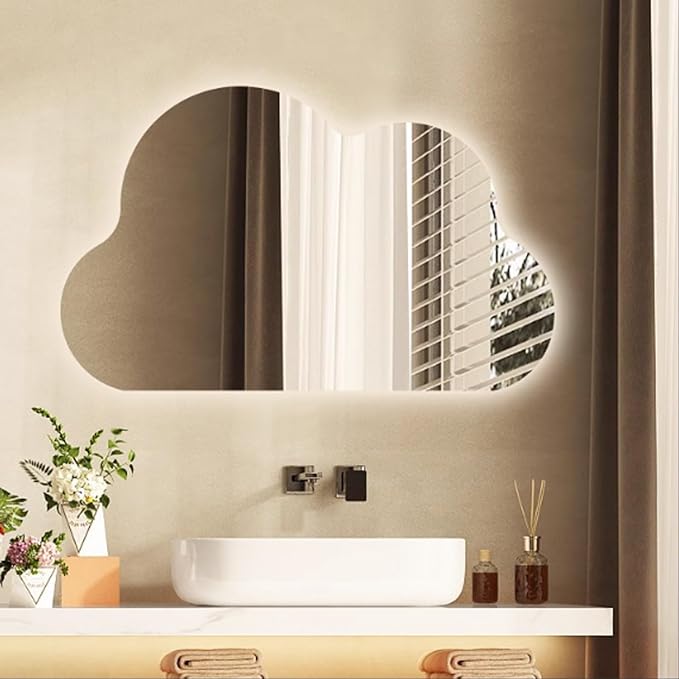
For example, the Cloud Shape Smart LED Mirror combines adjustable lighting, touch control, and anti-fog functionality. A project using that type of product would need those functions recorded as part of the approved SKU rather than simply describing it as a “smart mirror.”
Lighting Specification Should Be Separated From Connection Method
Buyers sometimes mix two decisions together: how the mirror is powered and what the lighting should do.
They are related but not identical.
Color temperature, dimming, switch operation, and lighting layout describe the user experience. Hardwired or plug-in describes the electrical connection. Keeping those specifications separate makes the RFQ easier for the factory, electrical consultant, and contractor to review.
A purchasing team can record the core items in one compact sheet:
| Project Item | What to Confirm |
|---|---|
| Installation type | Wall-mounted configuration |
| Power arrangement | Project-approved connection method |
| Destination | Country/market |
| Cable/connection point | Position confirmed with drawing |
| Lighting | Required color-temperature/function options |
| Controls | Touch, switch, dimming as applicable |
| Extra functions | Defogging or other approved options |
| Mounting hardware | Included components |
| Sample | Installation and function approval |
What Should Be Checked During an LED Bathroom Mirror Sample Review?
A sample review should include more than turning the LEDs on for a few minutes.
The project team needs to see whether the mirror can actually be installed the way the building has been designed.
Test the Mirror With the Intended Installation Arrangement
Where possible, mount the sample or create a realistic mock-up.
Check the rear clearance, bracket location, connection position, cable routing, mirror orientation, and access for installation. If the contractor needs to remove the mirror later for maintenance, consider whether that can be done without unnecessary wall damage.
This type of practical review often reveals details that are invisible in front-view product photography.
Buyers considering different frame and shape directions can also compare an Aluminium Frame Arch Bathroom Mirror while keeping the electrical requirements separate from the styling decision.
Approve Function and Installation at the Same Time
It is risky for the merchandising team to approve the appearance while the contractor reviews installation several weeks later.
By that point, the supplier may already have ordered components or scheduled production.
A stronger approval process brings both sides together. The design team confirms shape and lighting appearance; the technical or project team confirms installation-related information.
The result should be one approved specification rather than two separate versions of the same mirror.
How Should Retail and Project Buyers Choose Between the Two Approaches?
There is no universal answer because retail replacement products and construction projects solve different problems.
A retailer may value installation flexibility for a broad consumer audience. A hotel developer may value a cleaner concealed arrangement designed into the building from the start.
The product should follow the application.
Retailers Need to Think About the End Customer’s Installation Situation
A consumer buying an LED bathroom mirror online may be replacing an existing product rather than working from a new electrical plan.
The retailer therefore needs accurate installation information, clear product documentation, and a configuration appropriate for the target market.
Packaging also matters because cables, hardware, and other included parts need to arrive together with the mirror.
Project Buyers Need to Coordinate the Mirror With the Contractor
For hotels and apartments, the mirror schedule should be checked against the electrical and interior drawings before mass production.
If different room types use different mirror sizes, confirm whether their connection points also change.
Standardization is useful when it reduces site work, but only when the product and building have been designed around the same standard.
For buyers comparing several illuminated designs, the Bathroom Mirrors category provides a starting point for narrowing shape and function before the installation specification is finalized.
Company Introduction
Qingdao Yinlongfei Handicraft Co., Ltd. manufactures mirrors and other home decoration products for international retail, wholesale, and project customers and supports OEM/ODM development through its R&D team. Its bathroom mirror range includes wall-mounted illuminated models with configurable shapes, sizes, lighting, and optional smart functions. For project development, buyers can provide mirror dimensions, destination market, required lighting functions, installation drawings, power-connection expectations, quantity, and packaging requirements before sample preparation. Bringing those details into the early discussion helps the product sample reflect the actual bathroom environment and gives the purchasing team, factory, and installation contractor a common specification to review before bulk production begins.
Conclusion
Hardwired and plug-in LED bathroom mirrors serve different installation situations, so the connection method should never be left as a last-minute site decision. Project buyers need to coordinate the mirror with the building’s electrical plan, while retailers need to consider how the end customer will realistically install the product. Power requirements, connection position, lighting functions, mounting hardware, and documentation should all be reviewed during sampling. Once those details are fixed, the factory can reproduce a product that fits both the design and the installation plan.
FAQs
1. Is a hardwired LED bathroom mirror better than a plug-in model?
Not automatically. The better option depends on the building design, target market, installation plan, and applicable electrical requirements.
2. Can an LED bathroom mirror be changed from plug-in to hardwired?
Do not assume the conversion is appropriate without confirming the product configuration and project requirements with the supplier and qualified installation professionals.
3. What should a hotel buyer send before ordering LED bathroom mirrors?
Send mirror dimensions, room or vanity drawings, required functions, destination market, expected connection arrangement, quantity, installation information, and target delivery schedule.
4. Does an anti-fog bathroom mirror need an electrical connection?
An electrically powered defogging function requires power as part of the mirror system. The final electrical configuration should be confirmed before sampling and production.
5. Should the contractor approve the LED mirror sample?
For construction projects, contractor or technical-team input can be valuable because they can check mounting, electrical access, wall conditions, and installation details that a design review may miss.