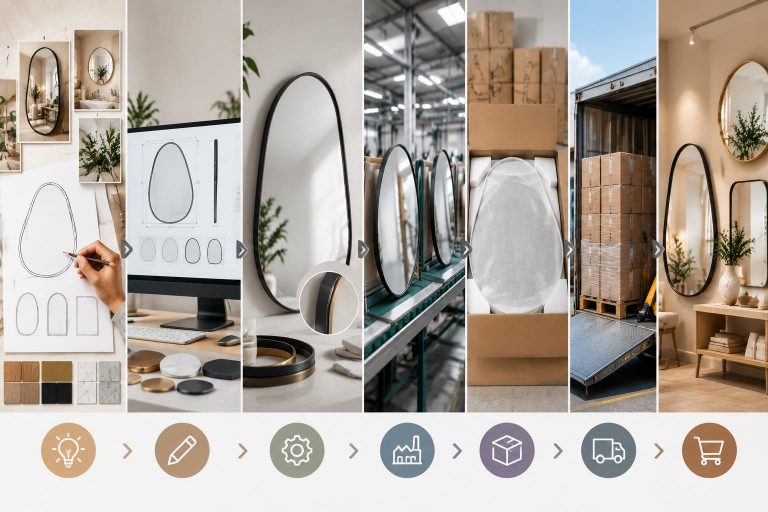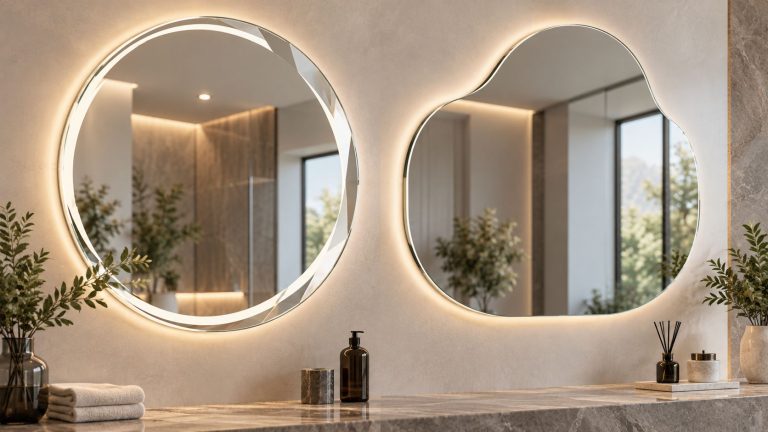
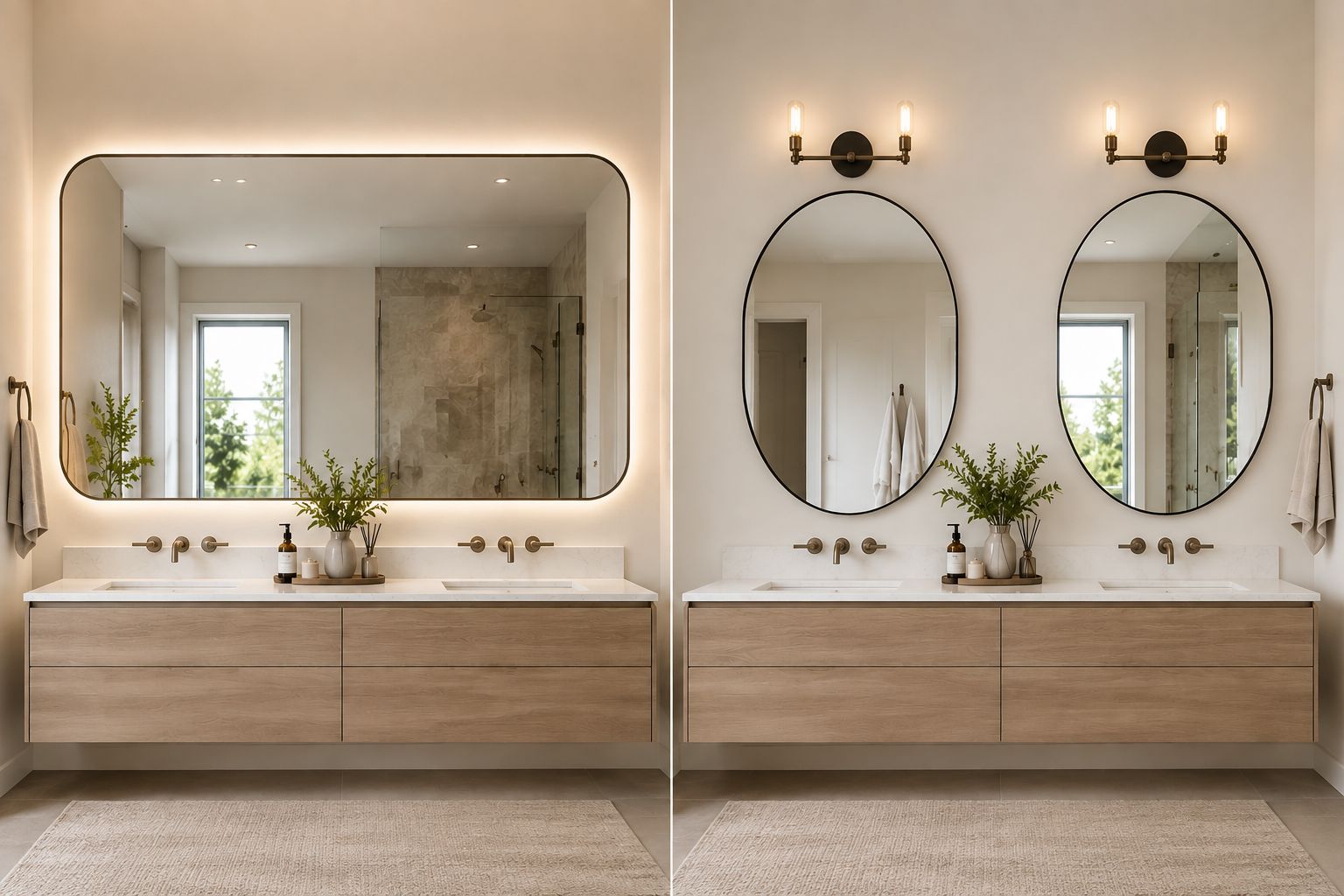
A bathroom rendering can make a mirror decision look simple. A wide mirror above two sinks often appears clean and modern, while two individual mirrors can create a more balanced and practical layout. However, when the project moves from design approval to purchasing and installation, many details begin to affect the final choice. A mirror that looks perfect in a drawing may not fit the actual wall, lighting position, or construction schedule. In hotel renovations, apartment developments, and residential projects, the mirror is connected with several other decisions made by designers, contractors, and purchasing teams. The right solution is usually the one that fits the complete bathroom plan, not simply the one that looks attractive in a presentation.
A Mirror That Looks Right in a Rendering May Not Work on Site
During the early design stage, many project teams select mirrors based on visual balance. The designer may place a large mirror above the vanity because it creates a clean appearance, or choose two separate mirrors because they match the style of the room. Problems often appear later when the approved concept meets the actual construction conditions.
The position of the sinks, electrical points, wall structure, and surrounding furniture can change how the mirror should be produced.
The Vanity Drawing Usually Reveals the Real Requirements
A double vanity is not always symmetrical.
Some bathrooms have two sinks placed at equal distances from the center. Others include wider countertop sections, side storage, or different cabinet arrangements. These details influence where the mirror should sit.
With two separate mirrors, alignment is usually easier because each mirror can follow one sink position. With one large mirror, the entire surface needs to relate to both sinks and the surrounding wall.
For project buyers, reviewing the bathroom elevation before confirming mirror dimensions can prevent adjustments later.
The manufacturer’s bathroom mirror category provides examples of different bathroom mirror formats, but the final specification still needs to follow the project drawing.
Wall Features Often Become the Deciding Factor
A mirror rarely occupies an empty wall.
Many bathrooms include wall lamps, cabinets, switches, shelves, or decorative elements. These features may determine whether one continuous mirror or two separate mirrors create a better result.
For example, if lighting fixtures are placed above each basin, two mirrors may naturally fit the layout. If the design uses one long light source above the vanity, a larger mirror may create a more connected appearance.
These decisions are often easier to solve before production rather than during installation.
Why Some Projects Keep One Large Mirror Above the Double Vanity
A single mirror remains popular in many modern bathroom projects because it creates a simple visual line across the vanity.
It is often selected when the designer wants the bathroom wall to feel open and uninterrupted.
Large Mirrors Create a Stronger Sense of Continuity
One wide mirror connects both washing areas into one surface.
In hotel bathrooms, this can help maintain a consistent appearance across guest rooms. In residential projects, it can make the vanity area appear wider and more integrated.
The advantage is mainly visual. Instead of two separate reflective areas, the bathroom has one continuous element that follows the whole vanity.
However, the same feature that makes the design attractive also makes installation accuracy more important. A small height difference or incorrect position becomes easier to notice because the mirror covers a larger area.
Transportation and Installation Need Earlier Planning
Large mirrors introduce practical questions that are sometimes overlooked during design approval.
Before ordering, project teams usually need to confirm:
- whether the mirror can enter the building;
- whether elevators and corridors provide enough space;
- whether the wall can support the installation;
- whether installers can position the mirror safely.
For one residential bathroom, these issues may be manageable. For a large development with repeated installations, they become part of the project schedule.
A design that works visually still needs to work during construction.
Where Two Separate Mirrors Can Solve Project Challenges
Two mirrors above a double vanity create a different approach. Instead of treating the vanity as one continuous area, they divide it into two individual zones.
This can be useful when flexibility is more important than a single visual statement.
Separate Mirrors Match Individual Use Areas
Many homeowners and hotel guests use a double vanity independently. Two mirrors can support this by creating a dedicated space above each basin.
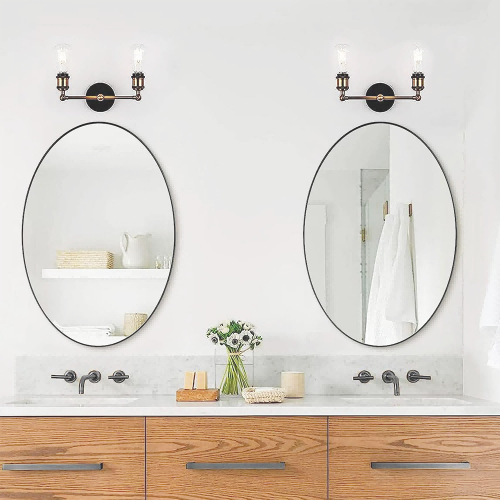
This arrangement also allows designers to work with different shapes. A project may choose two oval mirrors for a softer interior style or two rectangular mirrors for a more structured appearance.
The separate format can also simplify future replacement because one mirror can be handled without affecting the other.
Different Room Types May Require Different Mirror Solutions
Large projects often include multiple bathroom layouts.
A hotel may have standard rooms, suites, and upgraded room categories. An apartment development may include several unit types with different vanity widths.
Using one large mirror everywhere may not always be practical. Two separate mirrors can sometimes adapt more easily because the size and spacing can change according to each room.
The manufacturer’s mirror products can help buyers compare different styles before selecting a final project direction.
The Problems Usually Appear After the Design Is Approved
Many mirror-related changes happen after the design stage because different teams are working with different information.
The designer may focus on appearance. The contractor may focus on installation. The purchasing team needs to confirm whether the selected product can be supplied consistently.
The mirror decision connects all of these areas.
Electrical Planning Can Change the Final Mirror Choice
LED mirrors make this coordination even more important.
A single illuminated mirror and two illuminated mirrors may require different electrical arrangements. The number of connection points, cable positions, and control methods may change depending on the selected design.
If the mirror arrangement changes after electrical work is completed, the project may require additional adjustments.
This is why the mirror supplier, designer, and contractor should confirm the final direction before production begins.
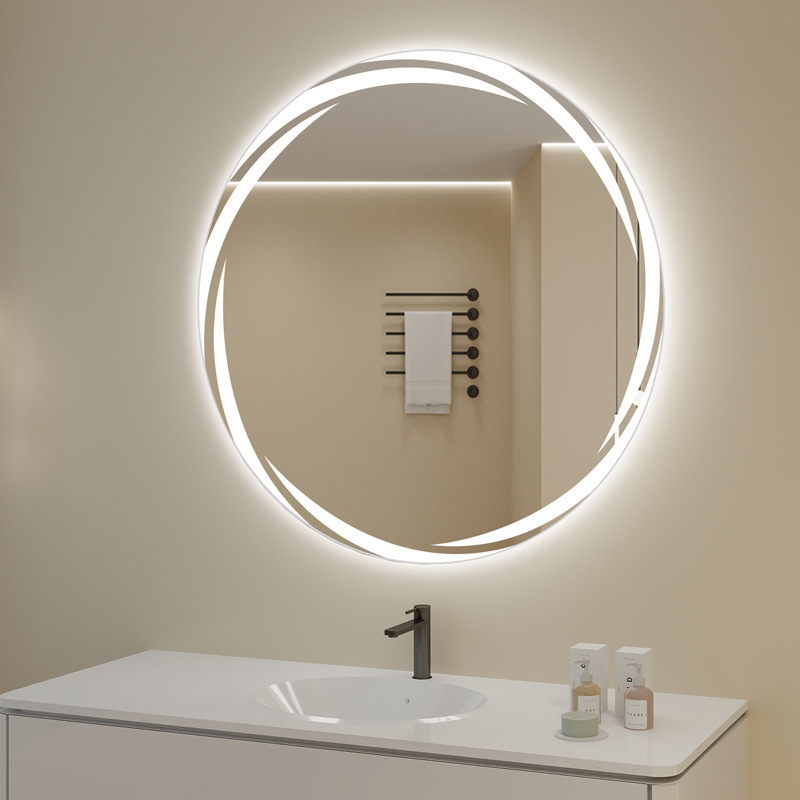
Mounting Requirements Should Be Confirmed Before Shipment
A mirror specification should include more than the front appearance.
The installation team may need information about:
- mirror dimensions;
- mounting position;
- rear structure;
- electrical requirements;
- installation method.
These details help prevent situations where the product arrives on site but does not match the prepared installation conditions.
For projects with special requirements, buyers can discuss specifications through the manufacturer’s contact page before placing an order.
Turning the Approved Design Into a Repeatable Project Specification
For a single bathroom, a mirror decision affects one space. For hotels, apartments, and large residential projects, the same decision may need to be repeated many times.
Consistency becomes just as important as appearance.
The Final Approval Should Include More Than a Product Photo
A product image shows what the mirror looks like, but it does not contain all the information needed for production.
A complete project reference usually includes:
- approved dimensions;
- quantity by room type;
- finish requirements;
- mounting details;
- lighting specifications;
- installation notes.
This information allows different teams to work from the same standard.
The First Installation Can Reveal Issues Before Full Rollout
For large projects, a sample room or first installation is often valuable.
It allows the team to check whether the mirror height, spacing, lighting, and overall appearance match expectations.
A small adjustment at this stage can prevent repeated problems across many rooms.
Once the final arrangement is confirmed, the supplier can use the approved information as the reference for future production.
Need Help Matching Bathroom Mirror Specifications to Project Requirements?
After the mirror arrangement has been selected, the next challenge is ensuring the approved design can be produced consistently across the project. Qingdao Yinlongfei Handicraft Co., Ltd. supports overseas buyers with OEM and ODM mirror projects, including customized sizes, shapes, finishes, and bathroom mirror development. Buyers comparing illuminated bathroom mirror solutions can review the Aluminium Frame Oval LED Bathroom Mirror as a reference during development. The final choice between one large mirror and two separate mirrors should always follow the actual project conditions because every bathroom has different installation requirements.
Conclusion
The decision between one large mirror and two separate mirrors is closely connected with the entire bathroom project. A large mirror can create a continuous and spacious appearance, while separate mirrors can provide more flexibility for different layouts and user areas. For B2B buyers, the most important step is not choosing one option for every project, but making sure the selected mirror arrangement works with the vanity design, electrical planning, installation conditions, and long-term maintenance needs. A well-defined specification helps transform a design idea into a repeatable product solution.
FAQs
1. Can One Large Mirror Be Used for Every Double Vanity Bathroom?
Not always. The bathroom layout, wall size, lighting arrangement, and installation conditions need to be reviewed before selecting a mirror format.
2. Why Do Some Projects Choose Two Separate Mirrors Instead?
Separate mirrors can provide individual user areas and may offer more flexibility when bathrooms have different layouts or lighting positions.
3. Should Mirror Selection Happen Before Electrical Planning?
For LED mirrors, it is usually better to confirm the mirror arrangement before final electrical work because connection requirements may vary.
4. Are Large Mirrors More Difficult to Manage in Hotel Projects?
They can require more planning because transportation, installation access, and replacement procedures become more important in larger projects.
5. What Information Should Buyers Confirm Before Ordering Double Vanity Mirrors?
Buyers should confirm dimensions, quantity, installation method, lighting requirements, finish, and approved appearance references before production.