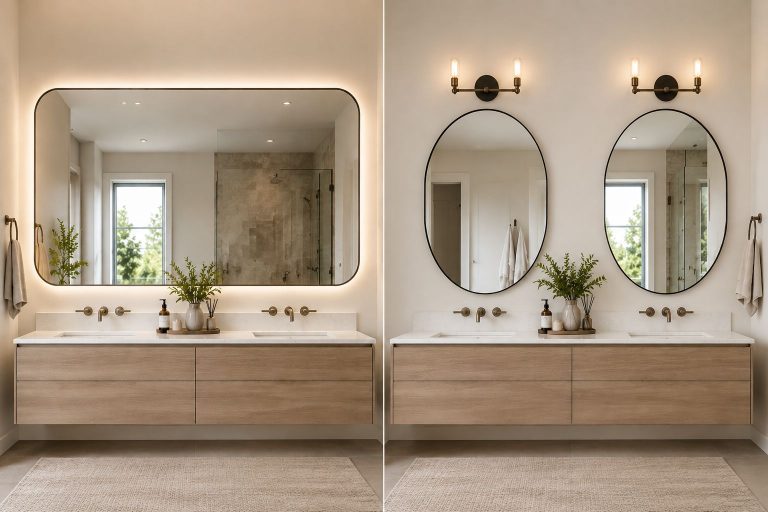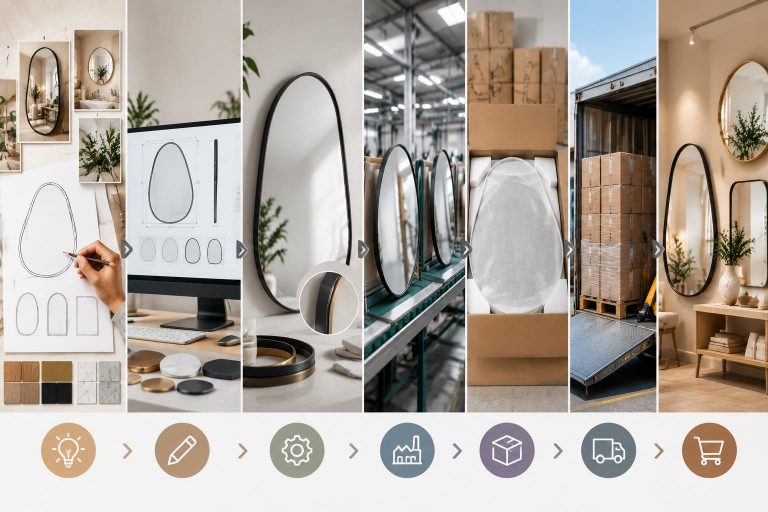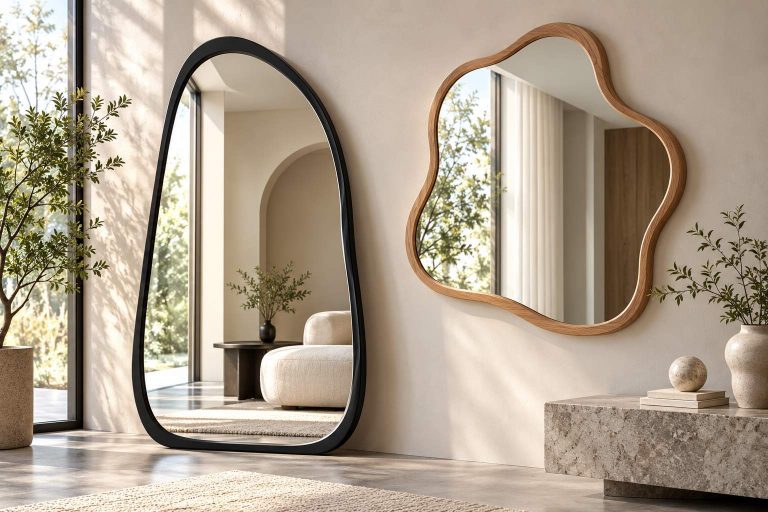

A full length mirror can look impressive in a supplier’s product photos, but the real difference usually appears after the product moves into sampling, production, shipping, and final installation. A frame that looks elegant under showroom lighting may show uneven finishing when dozens of units are displayed together. A design that works well for one room may not fit another application. For importers, furniture brands, and project buyers, the expensive appearance of a full length mirror is not created by one special feature. It comes from how design, materials, processing, and production control work together from the beginning.
Why Can Two Full Length Mirrors With Similar Designs Look Completely Different?
When two mirrors have similar sizes and frame styles, customers often assume they should create the same impression. In practice, small differences in construction and finishing can make one product appear much more refined than the other.
The difference is usually not visible from a basic specification sheet. It appears when the product is viewed closely, installed in a real space, or compared with other mirrors in the same collection.
What Details Change the First Impression of a Full Length Mirror?
The first thing people notice is usually the overall balance of the mirror.
The relationship between the frame and reflective area has a strong influence on appearance. A heavy frame can make a mirror feel more traditional and decorative, while a slimmer profile may create a cleaner modern feeling. Neither approach is always better. The suitable choice depends on the target market and where the mirror will be used.
For instance, the mirror in the bedroom furniture style collection should have a warm appearance to match the other items. A mirror for the hotel project, on the contrary, should have a more neutral design that can be applied repeatedly over multiple rooms without feeling uncomfortable.
The shape, frame depth, and finishing style all work together. Changing one element often changes how the entire product is perceived.
Why Does Surface Finishing Often Separate Standard and Premium Mirrors?
Many companies tend to focus on the design when considering the characteristics of a product, such as furniture or even a mirror. However, the surface finishing plays a critical role in the overall impression. A frame with an appropriate design but poor coating, colors, or edges appearance may give a substantially different impression than expected. Such details become particularly noticeable when multiple mirrors are placed together in a store or exhibition.
Therefore, the appearance has to be consistent across all mirror samples in order to keep the same impression within the target audience. In turn, the manufacturers should control every step of the production process in order to make sure that each sample is produced according to the same criteria. Thus, the process of material preparation, surface finishing, and inspection should remain the same for every batch.
Which Material Choices Influence the Premium Feeling of a Full Length Mirror?

A mirror’s appearance is closely connected with the materials used in its construction. However, choosing a material is not only about how it looks in a sample. The material also needs to remain stable during production, transportation, and daily use.
How Does Mirror Glass Quality Affect the Final Product Experience?
The reflective surface is the main functional part of a full length mirror. Users expect a clear and natural reflection, especially when the mirror is used for dressing areas, bedrooms, hotels, or clothing stores.
A large mirror makes quality differences easier to notice. Small issues that may not be obvious on a smaller product can become visible across the full reflective surface.
Glass processing also influences the finished appearance. Edge quality, surface protection, and handling during production all affect how the mirror looks after installation.
For commercial buyers, this is one reason why reviewing only product images is not enough. The actual sample needs to be checked from different angles and under normal lighting conditions.
Why Do Frame Materials Affect How Customers Judge Mirror Value?
The frame often carries the decorative identity of the mirror. Different materials create different market impressions.
Wooden and wood-based frames are widely used because they provide a natural texture and allow different finishes. A stained wood frame may create a warm interior feeling, while a painted frame can support a more contemporary design direction.
However, the same material can produce very different results depending on processing. The quality of joints, coating consistency, and assembly accuracy all influence the final appearance.
For buyers developing home decoration collections, material selection is usually connected with the overall product positioning rather than a single cost decision.
Why Does Bulk Production Matter More Than a Single Approved Sample?
A sample shows what a product can become. Bulk production shows whether the supplier can reproduce that result consistently.
This difference is one of the most important issues in mirror purchasing. A single sample may be carefully prepared, but large orders require stable processes and repeatable quality control.
What Problems Usually Appear When Moving From Samples to Production?
During mass production, small variations can become more visible.
Common examples include differences in frame color, slight changes in finishing, inconsistent assembly, or variations between production batches.
For a private label customer or furniture retailer, these differences can affect the appearance of the entire collection. A mirror that looks premium individually may not create the same impression when several units are displayed together.
This is why production capability matters as much as product design.
How Does Packaging Influence the Final Quality Buyers Receive?
Large mirrors create additional challenges during transportation. The product may pass inspection before shipment but still face risks during handling, loading, and international delivery.
Packaging needs to protect both the glass and the frame. Poor protection can result in damaged corners, scratches, or movement inside the package.
For overseas buyers, packaging is part of the supplier’s manufacturing ability. A good design loses value if it cannot arrive in the same condition as when it left the factory.
How Should Full Length Mirror Requirements Change for Different Applications?
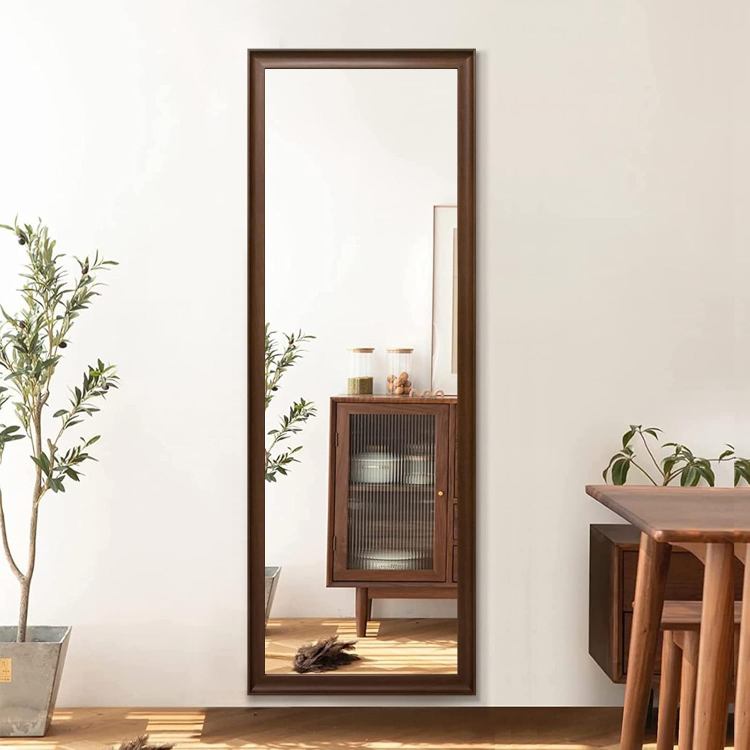
There is no single definition of a perfect full length mirror. The right specification depends on the environment where the product will be used.
What Works for Residential Full Length Mirrors?
Home users often select mirrors based on how they fit into their living space.
A bedroom mirror may need to coordinate with furniture and provide convenient daily use. An entrance mirror may focus more on creating a brighter and more open feeling. A decorative mirror in a living room may become part of the overall interior design.
Because of these differences, retailers often need several design directions rather than one universal product.
What Changes for Hotels, Retail Stores, and Commercial Projects?
Commercial applications usually involve different priorities.
A hotel may need consistent appearance across many rooms. A retail store may need mirrors that support customer interaction and match the brand environment.
In these cases, suppliers need to handle more than appearance. Delivery schedules, repeat production, customization requests, and quality consistency become part of the purchasing decision.
What Should Buyers Confirm Before Working With a Full Length Mirror Supplier?
A successful mirror project usually starts before production begins. Clear communication about specifications and expectations can prevent changes later.
Which Information Helps Avoid Problems During Production?
Before placing an order, buyers usually have to check some product details. It concerns sizes, frame styles, materials, finishing requirements, packed and inspection conditions.
The more individualized the product is, the more details have to be clarified. A minor adjustment in size or material can make the process longer and more expensive.
How Does Supplier Capability Affect Long-Term Cooperation?
For repeated orders, the supplier’s ability to provide consistency is more important than the supplier’s ability to provide an initial sample.
Qingdao Yinlongfei Handicraft Co., Ltd. is a manufacturer of home decoration products, including mirrors, framed mirrors, photo frames, and carved wooden items. We can provide customized production services, OEM/ODM services, and product processing and manufacturing services for foreign trade. We provide one-stop service for product development, processing, inspection, packing, etc.
Conclusion
A full-length mirror is a thing of beauty because of how much goes into the making of it. From the proportion and materials to the finishing touches and construction, every aspect plays a part. So, if you’re going to be picking out a full-length mirror, you need to know that the buying process goes beyond the picture. It starts with research and ends with you getting exactly what you want.A supplier that can maintain quality from sample development to repeated orders helps create products that perform better in the market.
FAQs
1. Why do some full length mirrors look more expensive than others?
The difference usually comes from design balance, frame quality, glass processing, surface finishing, and consistency during production rather than decoration alone.
2. What frame materials are commonly used for premium full length mirrors?
Wood and wood-based materials are commonly used because they provide natural texture, flexible finishing options, and compatibility with different interior styles.
3. Why can bulk mirror orders look different from samples?
Bulk production involves more units and repeated processes, so differences in color, finishing, assembly, or material handling may become more noticeable.
4. How should buyers check full length mirror quality before ordering?
Buyers should review samples carefully, including frame construction, glass clarity, finishing details, packaging methods, and production consistency.
5. What makes a reliable full length mirror supplier?
A reliable supplier should provide consistent production quality, customization support, clear communication, suitable packaging, and stable manufacturing capability.