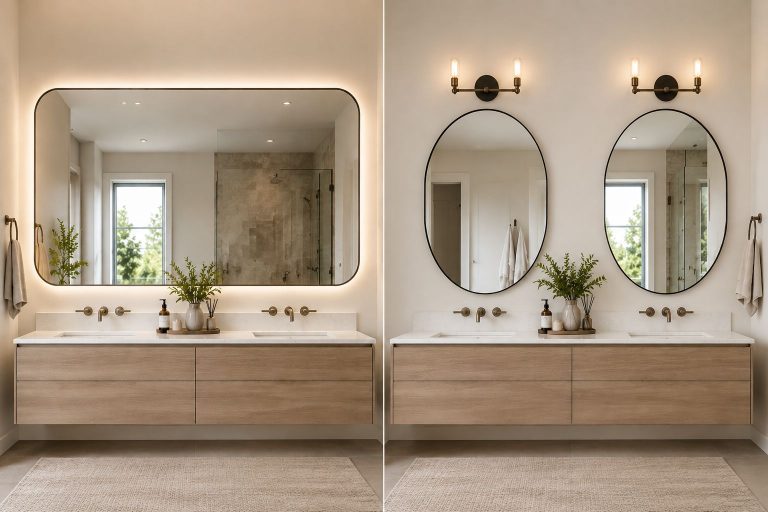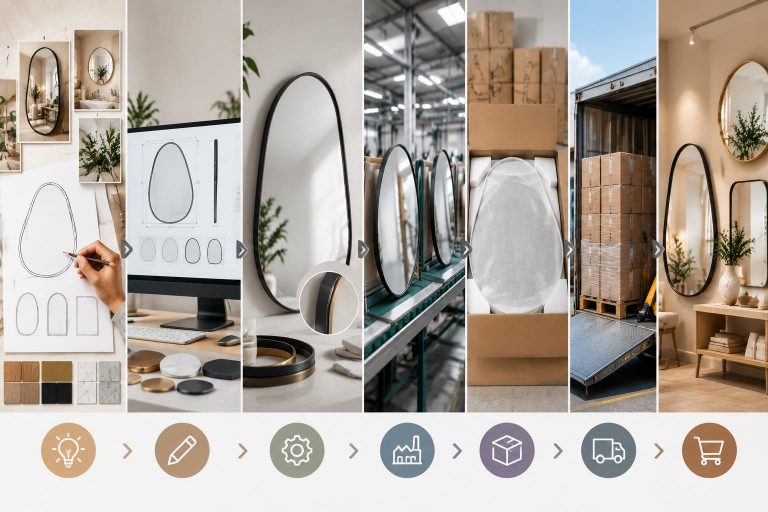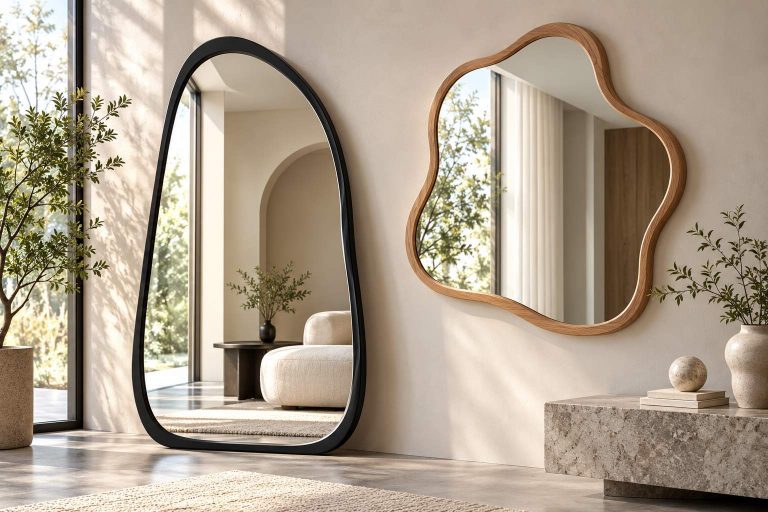
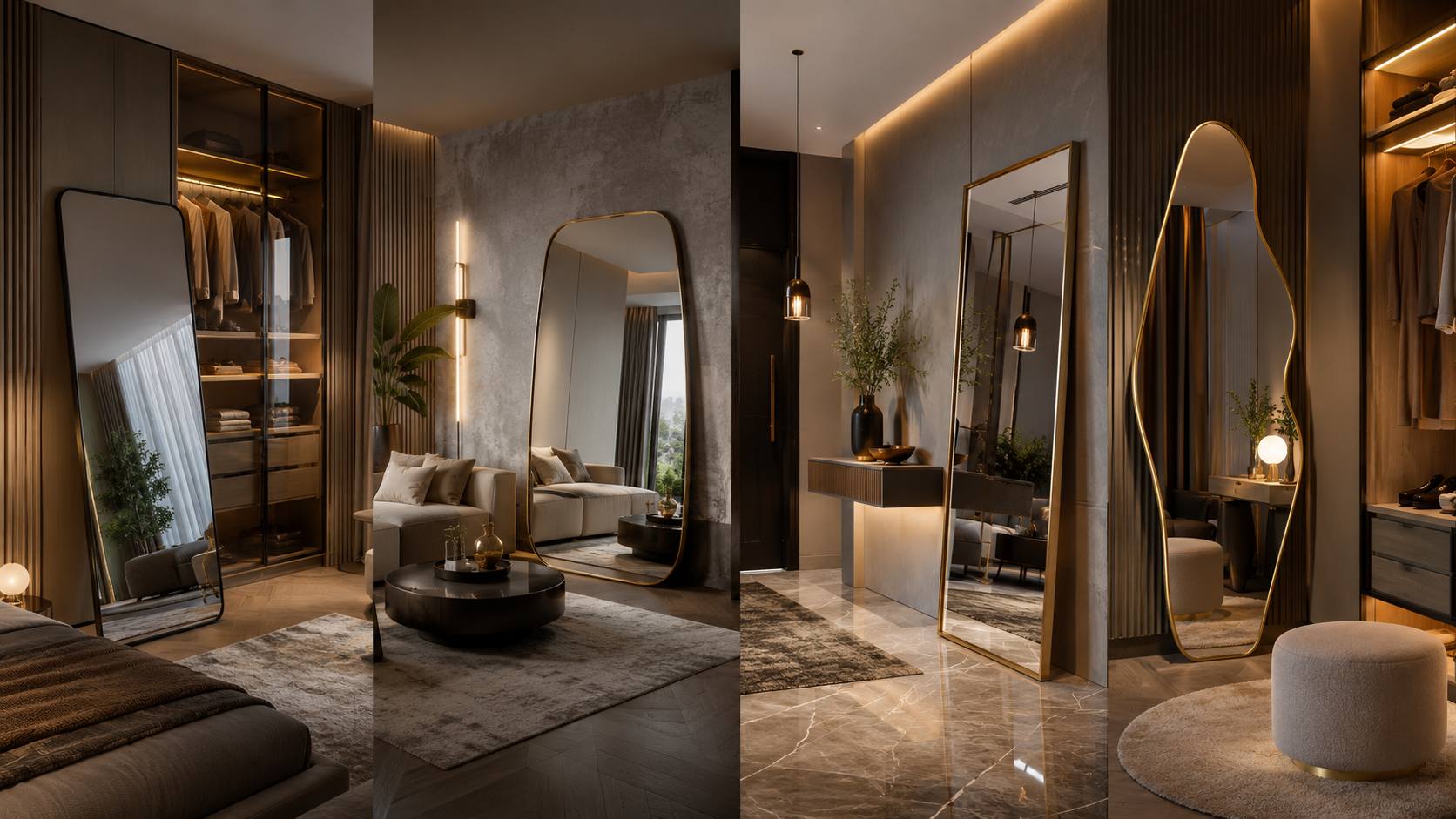
A full-length mirror is usually chosen on the basis of its appearance, the size, and the frame style. However, the place where the mirror will be located plays a significant role in its choice. Thus, a mirror that will look great in the bedroom may not suit a hotel room, shop, and entrance of the apartment. Placing a mirror is also a vital stage during the product development process, where many buyers forget to consider how the item will match the overall appearance of the space. In practice, these factors impact the mirror size, frame style, its shape, and method of installation plus the quality of the mirror finish.
Why Does the Final Application Matter Before Choosing a Full Length Mirror?
A floor mirror is not simply a reflective surface placed against a wall. Its purpose changes depending on the environment.
A homeowner may need a mirror for checking clothing before leaving the house. A hotel may need a mirror that fits hundreds of guest rooms with the same design standard. A clothing retailer may require a mirror that supports customer decisions during shopping.
The product may look similar, but the requirements behind it are different.
Residential and Commercial Spaces Create Different Requirements
In residential projects, appearance is often paramount. The customer’s own preferences are crucial, as they select the mirror to complement their wardrobe, furnishing, the color scheme, etc.
The mirror in the bedroom can be functional and designed around the idea of convenience and everyday use. The mirror in the hallway should be chosen with the aim of making the small space appear larger. The floor mirror in the living room, on the other hand, may serve as a decorative element in the overall room design.
By contrast, in commercial projects, the emphasis is frequently on value and consistency. When furnishing and outfitting hotels, shops, and showrooms, special attention is paid to standardization and the appearance of products in the context of a broader concept.
A professional supplier, who is familiar with these nuances, will be able to offer the most relevant advice rather than a general catalog of solutions.
The Same Mirror Design May Not Work Everywhere
One common situation in mirror purchasing is that a product looks suitable during the sample review but does not perform well after installation.
The reason is usually not the mirror quality itself. The problem is that the design was selected without considering the final environment.
A large decorative frame may look attractive in a spacious showroom but feel too heavy in a small bedroom. A very thin frame may match a modern apartment but appear less suitable in a traditional hotel interior.
The application determines what kind of visual balance the mirror needs.
What Problems Appear When a Floor Mirror Does Not Match the Space?
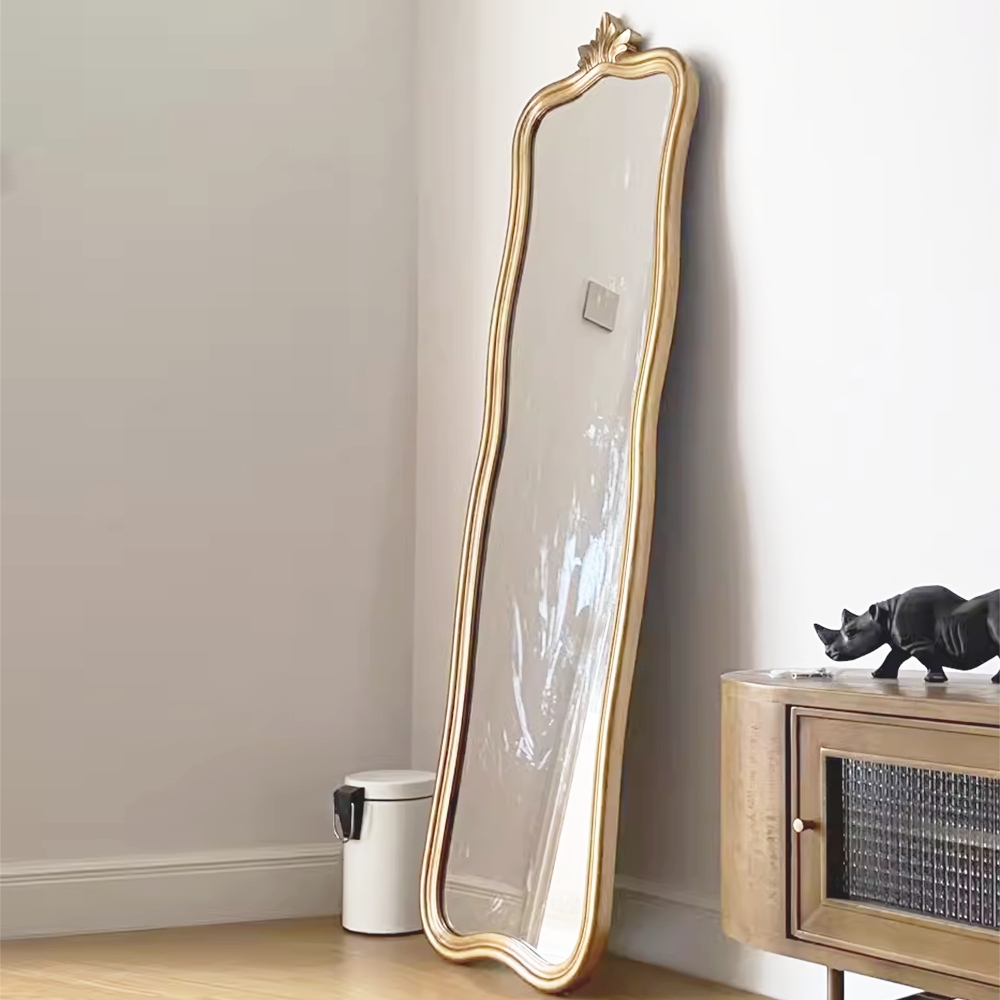
Mirror placement problems are often connected with decisions made earlier during product selection.
The wrong size, unsuitable frame proportion, or inappropriate installation method can affect how users experience the product.
Size and Viewing Distance Affect Daily Use
A full length mirror needs enough surrounding space for comfortable use.
In a dressing area, users need sufficient distance to see their complete appearance. In a narrow bedroom, an oversized mirror may reduce available movement space. In a retail fitting area, the mirror position needs to allow customers to step back and view clothing naturally.
This is why mirror dimensions are usually connected with the intended application.
For buyers developing different product lines, offering several size options can be more practical than relying on one standard model.
Reflection and Surrounding Environment Change the Final Effect
A mirror does not only reflect the image of the person looking in it; it also reflects everything else around it.
A well-placed mirror can make natural lighting, furniture, and decor stand out; at the same time, the same mirror might emphasize storage space, clutter, or other distracting elements.
That is why this consideration is so crucial for designers and retailers. After all, the frame around the mirror only makes up a part of an object; most of it is defined by the space around it.
Why Does Lighting Change How a Full Length Mirror Performs?
Lighting is one of the easiest factors to overlook when selecting mirror designs.
A mirror displayed under showroom lighting may appear different after installation in a customer’s home or a commercial space.
Natural Light Is Not Always an Advantage
Placing a mirror near a window is often considered a way to increase brightness. In many cases, this works well because the mirror reflects daylight into the room.
However, the result depends on the actual environment.
Strong sunlight can create glare. A window facing an unattractive outdoor area may produce an unwanted reflection. The best position depends on what the mirror will reflect throughout the day.
For project buyers, understanding the lighting conditions of the target space can influence decisions about mirror size, frame color, and placement.
Artificial Lighting Can Change Product Appearance
Indoor lighting also affects how mirrors are perceived.
Warm lighting may enhance wooden frames and create a comfortable atmosphere. Strong commercial lighting may highlight surface details and finishing quality.
For hotels and retail stores, this becomes more important because customers interact with mirrors under controlled lighting environments.
A frame finish that looks suitable in factory samples may appear different when installed under another lighting system.
What Should Retailers Consider When Developing Full Length Mirror Collections?

Retail buyers are not only selecting products; they are creating collections that need to fit customer expectations.
Understanding how customers use mirrors can influence design choices.
Customer Usage Often Determines Product Selection
Different customers look for different mirror experiences.
Someone purchasing a bedroom mirror may care about style matching and daily convenience. A customer buying a mirror for a dressing area may focus more on viewing size and practicality.
Retail stores also need to think about how products are displayed. A mirror that looks attractive online may require specific positioning in a physical store to show its value.
For retailers, product selection and application planning are closely connected.
Display Environment Influences Design Decisions
The same mirror can create different impressions depending on where it is displayed.
A simple framed mirror may work well in a minimalist furniture collection. A more decorative design may attract customers looking for statement pieces.
This is why many buyers develop different mirror styles for different market segments instead of using one design for all customers.
How Can Buyers Work With Suppliers to Develop Suitable Full Length Mirrors?
Successful mirror projects usually begin before production starts. Clear communication about the final application helps suppliers understand what the product needs to achieve.
Product Requirements Need to Be Defined Before Production
Before manufacturing, buyers usually need to confirm details such as:
- Intended application
- Mirror dimensions
- Frame style
- Surface finish
- Installation method
- Packaging requirements
These details affect production decisions.
For example, a mirror designed for a hotel project may require different packaging and durability considerations compared with a decorative mirror sold through retail channels.
Customization Helps Different Applications
Different markets often require different product solutions.
Retailers may need specific frame colors or sizes. Interior projects may require custom dimensions. Hospitality buyers may need consistent designs across multiple spaces.
Qingdao Yinlongfei Handicraft Co., Ltd. is a professional manufacturer for imported buyer who need to customize the mirror products including framed mirrors ,photo frames, wooden home decors. We provide one-stop service for OEM/ODM projects ,including product development,material processing,quality inspection and packaging management,and so on.The experience of customized design enables us to help customers create residential ,contract and retail mirror solutions,for mirror and frame products.
Conclusion
The proper location of a full length mirror is not chosen only by considering where the empty spot on the wall is. The characteristics of the space, specific lighting conditions, behavioral patterns, and functional requirements should also be taken into account. As for buyers, such considerations allow the creation of more convenient and universal mirrors that would suit various markets and customer segments better.
FAQs
1. Can the same full length mirror be used in different rooms?
Yes, but the ideal placement and product requirements may change depending on room size, lighting, furniture arrangement, and intended use.
2. Why does mirror size matter when planning placement?
Mirror size affects viewing distance, movement space, and how the product fits into the surrounding environment.
3. Is placing a full length mirror near a window always a good choice?
Not always. Natural light can improve brightness, but glare and reflected views also need to be considered.
4. Do hotels and retail stores need different full length mirrors?
Yes. Commercial spaces usually require different considerations related to durability, consistency, installation, and customer usage.
5. What information should buyers provide when ordering customized mirrors?
Buyers should share details about application, dimensions, frame design, finishes, installation requirements, and packaging expectations before production.