Decorative mirrors have evolved from simple reflective surfaces into essential design elements that define spatial perception, light distribution, and aesthetic balance. Interior designers increasingly use wall mirrors not only to expand visual space but also to add texture, depth, and artistic flair. According to a 2023 report by the American Society of Interior Designers (ASID), over 68% of designers consider mirrors a “core styling component” in both residential and commercial interiors. This article explores how professionals select the right mirror with wall integration, what factors drive their choices, and which designs are shaping modern interiors.
What Makes a Decorative Mirror Stand Out in Modern Interiors?
A few key factors define great decorative wall mirrors for today’s interior spaces.
The Role of Form, Frame, and Finish
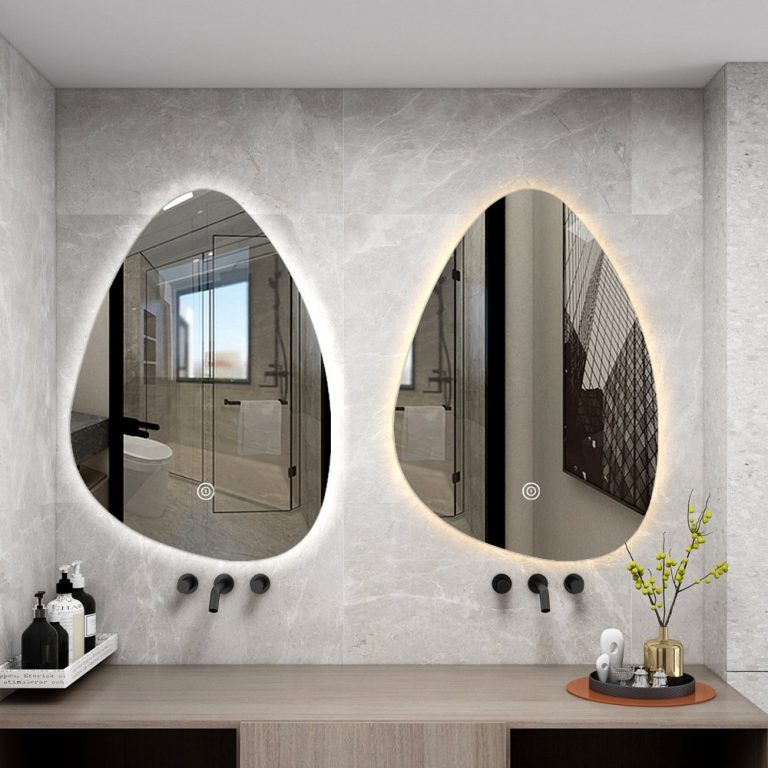
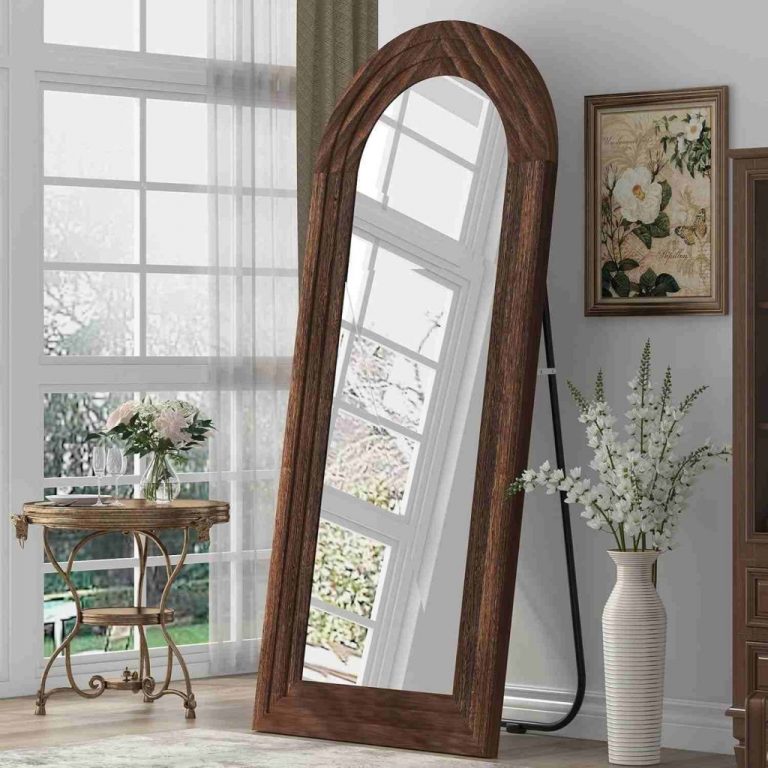
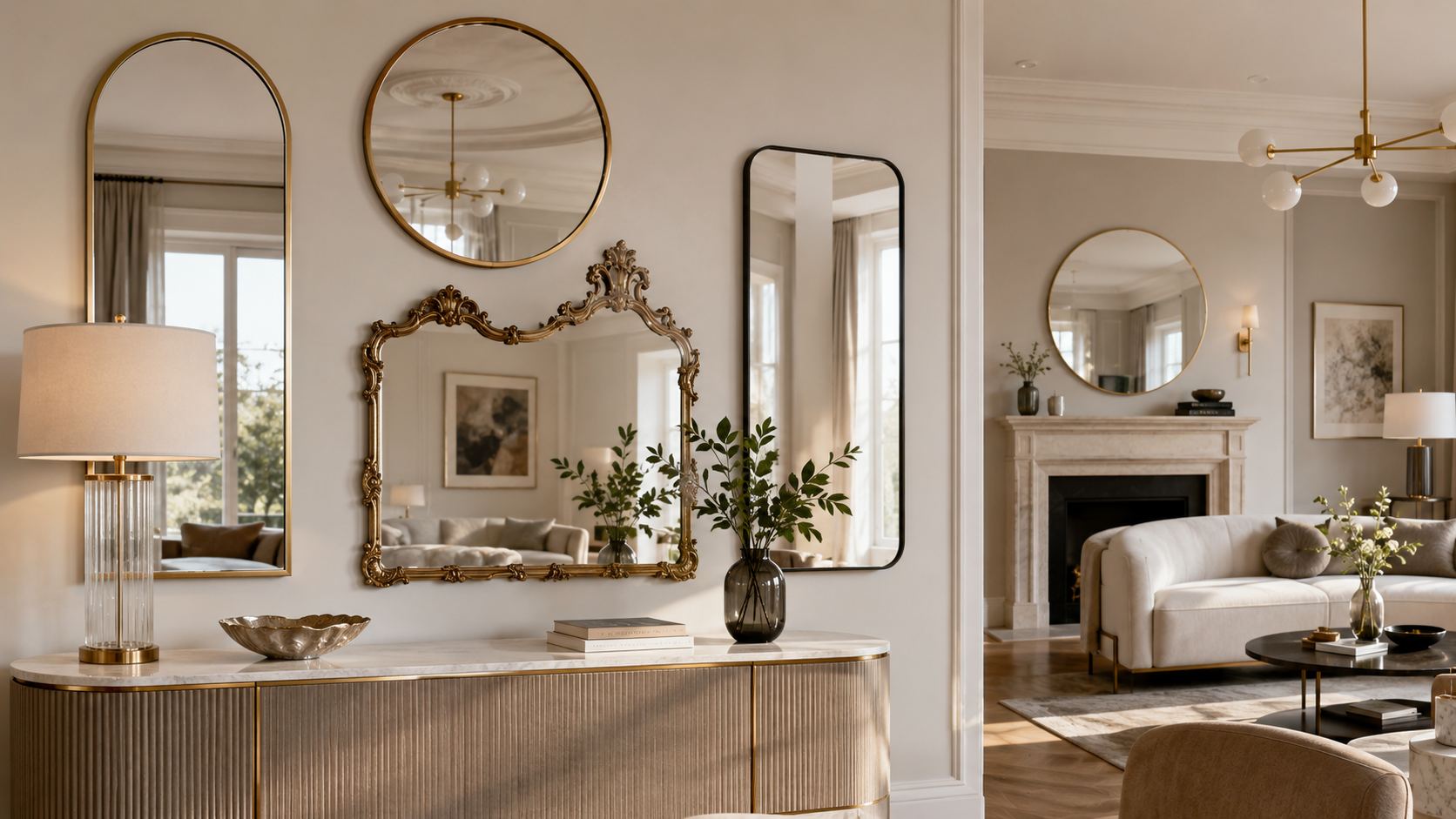
The shape of a mirror is just as important as the location in which it is placed in relation to the surrounding environment. A round or oval mirror can add a soft and delicate feel to a room and help to balance out very straight lines, while a rectangular mirror can emphasize the structure and order of a room. A wooden frame can add warmth and a natural feel to a mirror, while a frame made from brass or other metals can give the piece a very elegant and sophisticated feel. A matte finish can add a very subtle feel to a mirror and is particularly suited to minimalist interiors, while a glossy or polished finish can add a lot of dynamic to a room as it will reflect light. Many designers are now mixing materials in their mirror designs, such as resin with metal trims, to create a very interesting and layered visual effect without over powering the room in which it sits.
The Relationship Between Light Reflection and Room Ambience
Mirrors don’t just reflect light, they also manipulate it and in a clever way can amplify the lighting in a room by being placed opposite a window or a focus of artificial lighting. A study by Houzz (2022) found that homes with cleverly-placed mirrors reported a 15% increase in perceived brightness over similar homes without reflective design features. While a great way to create the illusion of more space in a small room, mirrors can also highlight wonderful architectural details such as cornicing and textured walls. A single large wall mirror in a small apartment or narrow corridor can create the illusion of more space.
How Do Interior Designers Choose the Right Wall Mirror for Each Space?
Choosing the right mirror for a room involves making a number of decisions, including considerations around proportion, function and tone or feeling to achieve a harmonious space.
Considering Proportion and Placement
The scale of the mirror in relation to the wall composition is crucial for the overall look. A very large mirror can be used as a anchor in a very large room, such as a living room or hotel lobby, to create a focal point and to reflect the surrounding furniture and objects. Smaller mirrors are used as accents and are very suitable for corridors and entrance halls in order to create a focal point. The height of the mirror is important and is usually placed on eye level or on the line of the furniture, for example on a console table. Symmetrical and alike positioned mirrors create a calm, precise look and are very suitable to create a relaxed atmosphere. Asymmetrical and differently positioned mirrors on the other hand create a lot of movement and are very suitable to create a dynamic and playful atmosphere.
Matching Style with Functionality
The style of interior can influence the form of mirror chosen. Frameless or thin edged designs are ideal for very modern interiors where clean lines are key. On the other hand, antique style mirrors with ornate frames, often made from wood, and which have been gilded, have a lot of character, and can add history to classic, and bohemian style eclectic interiors. In commercial premises, for example hotels and restaurants, durability in humid areas, ease of cleaning, and secure fixing is more important than any decorative feature.
Which Mirror Designs Are Favored by Professionals Today?
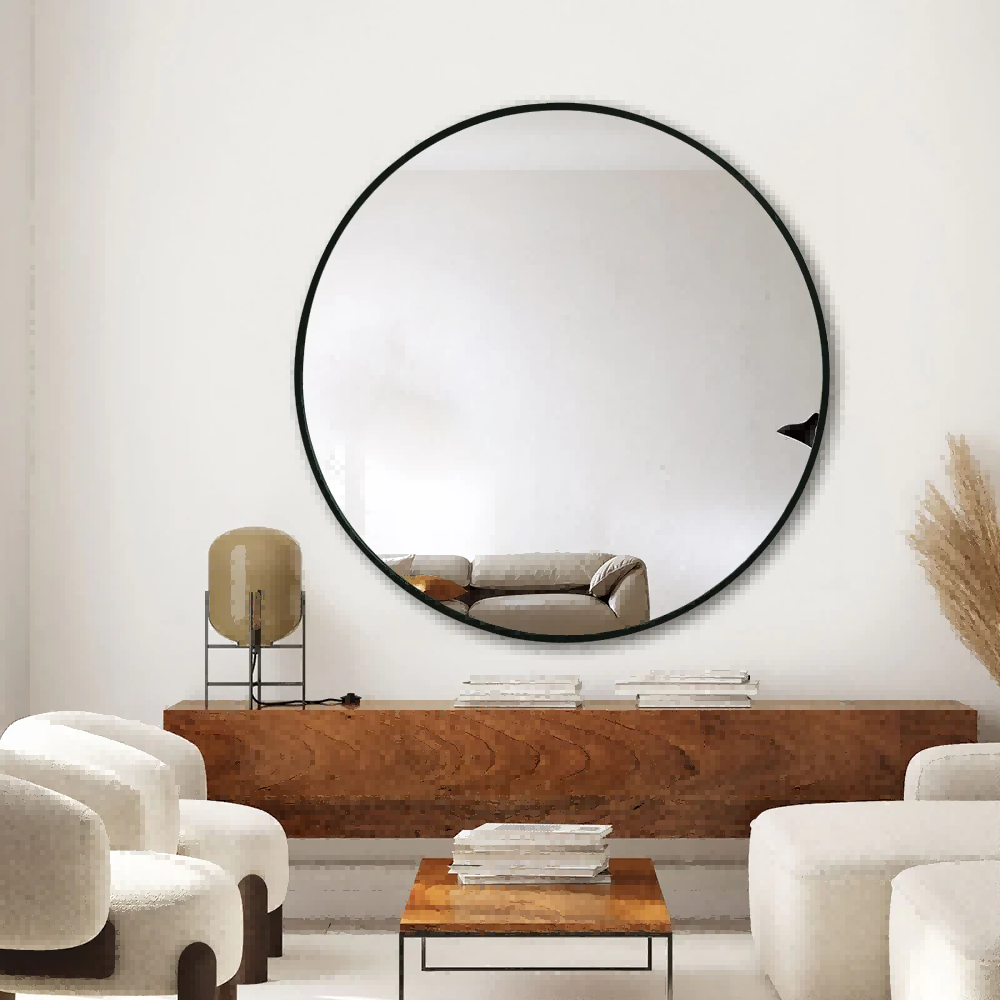
Interiors change fast with design trends, but some shapes and materials are better than others when it comes to a design receiving recognition because they can be used within most interiors and are versatile enough to be used in numerous ways.
Trending Shapes and Textures in 2026
Silhouettes in organic shapes, like circles or abstract contours, are replacing square-shaped frames and are becoming more sculptural. The frames can be textured and rough – like a rattan-weave frame for a bohemian look, hammered metal for an industrial feel or distressed wood for a more rustic look. This textured frame is often paired with neutral-colored backgrounds which are typical for a modern interior. In addition to this development, a lot of designers are now using a lot of small mirrors that are placed in layers on top of each other. They are often of different heights and instead of one big mirror in the room, the reflections in the smaller ones change all day long.
The Influence of Cultural and Regional Aesthetics
In terms of decoration, things are influenced by a lot of regional things. Scandi interiors are designed to be very simple, lots of pale wood in them to try and get as much natural light into them as possible. Mediterranean things have got loads of really ornate mosaic trimming to mirrors, it’s handcrafted type of thing and you see that in a lot of coastal style villas. Asian Minimalism is all about geometric shape and it’s very balanced and very tranquil. Often they are put in rooms in a very symmetrical way to bring balance and serenity to the room and they are decorated in a very simple way, often in black and white to keep it very understated and simple.
How Do Cost, ROI, and Maintenance Affect Mirror Selection?
There is often a cost behind an aesthetic decision and an understanding of cost-performance is critical in making decisions and justifying them to clients.
Balancing Budget with Design Value
Local made mirrors can cost from 30% to 50% more than off the shelf mirrors however will align more with your designers vision especially when all parameters have been taken into account including sizing and type of materials used. Designer’s calculate return on investment not in cost of item however more off satisfaction of client and increase in value of property during time of staging for resale. A few pieces of quality decoration can increase perception of quality of interior to great extent even though they have been very cheaply made.
Installation and Long-Term Care Considerations
Installation logistics significantly influence total ownership cost. Large mirrors exceeding 20 kg require reinforced mounting hardware to prevent warping or detachment over time—a crucial safety measure often overlooked in DIY setups. For humid environments like bathrooms or spa lounges, anti-fog coatings or tempered glass extend longevity by resisting corrosion and moisture damage. Routine maintenance using microfiber cloths ensures clarity without scratching delicate finishes.
What Are Real-Life Applications of Decorative Mirrors in Design Projects?
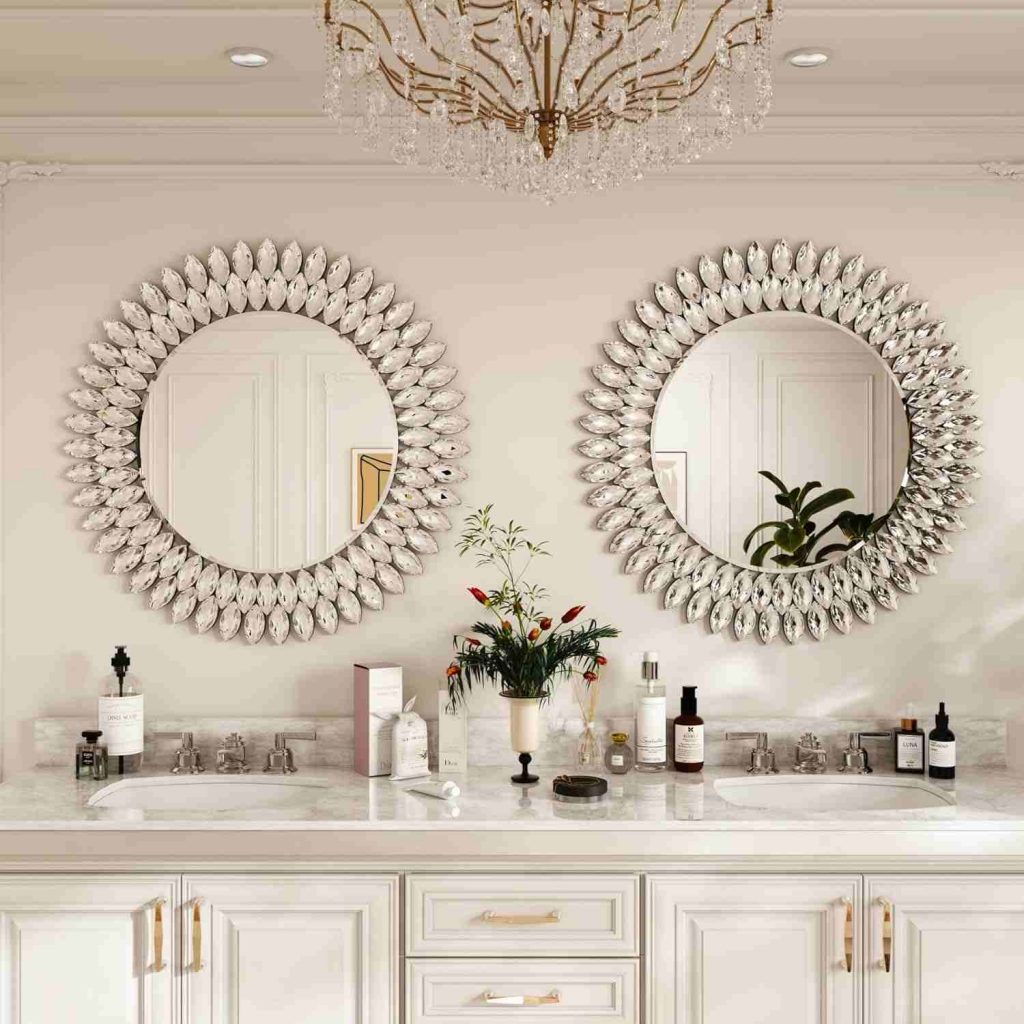
Examples of practical applications of the theory to design solutions for residential and commercial contexts.
Residential Examples That Elevate Everyday Living Spaces
This NYC apartment was designed by using mirrored panels behind open shelving to give the illusion of more space while keeping the minimalist feel. In suburban homes, entryways are often designed with mirrors. They serve two purposes, they are a place to check yourself out before running out the door and also a way to introduce your personal style to guests as they enter your home.
Commercial Spaces That Benefit from Reflective Design Elements
Narrow corridors in Boutique Hotels are extended using full length mirrors in strategic positions. The angles of the reflection are controlled to keep the intimacy of the space. Restaurants often have mirrored ceilings in the dining area. This diffuses the light in the area, creating a pleasant atmosphere. It does not require an increase in energy consumption using artificial light sources.
Who Is Qingdao Yinlongfei Handicraft and What Services Do They Offer?
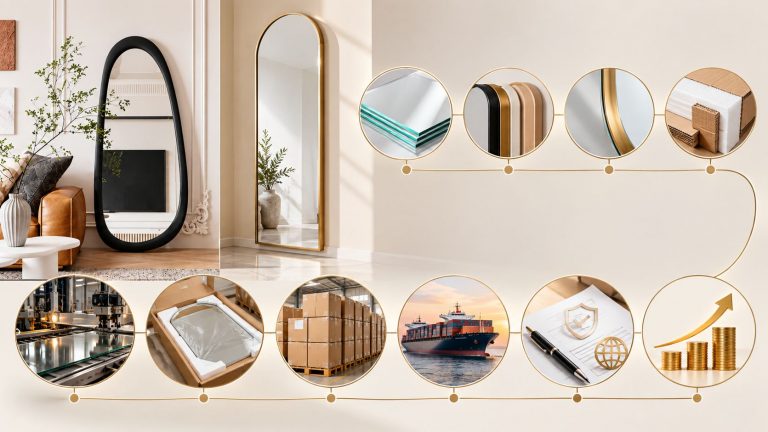
Qingdao Yinlongfei Handicraft is recognized by the global design market as a reliable supplier of handmade decorative mirrors. Many interior designers, hotel groups and decoration stores from home and abroad work with the company. The mirrors are made of high quality solid wood, eco-friendly painting and hand cut glass. Qingdao Yinlongfei Handicraft offers design according to customers’ requirements as well as OEM/ODM service for customers who want to launch a private label product. The company sticks to the ISO9001 quality system to guarantee the quality of the products. This is what professional buyers from all over the world care about most.
Conclusion
The decorative mirrors can be used in many ways in the modern interior design, as they are of great value for art and practicality. In small apartments, they can reflect sunlight in order to enlarge the space, and in business areas, they can be used to underline the identity of the company. The designers work with wall mirrors as with other elements of the space. They can be large or small, and affect the human emotions, as well as the space proportion. Now, with the increasing trend of sustainable design, by using environmentally friendly materials and handmade details, the designers can collaborate with producers, such as Qingdao Yinlongfei Handicraft, and implement their creative ideas in real life.
FAQs
1. How can I determine the right size of a wall mirror?
First, you have to measure the wall space where you want to hang the mirror. To create a harmonious composition with the piece of furniture below the mirror, the width of the mirror should be between one-half and three-fourths of the furniture’s width.
2. Are frameless mirrors suitable for all interior styles?
The modern minimalist interior is perhaps the most suitable setting to showcase the frameless mirror. However a more traditional interior with its own specific textures and designs within a room would look too stark with a frameless mirror.
3. How do you maintain decorative mirrors in the long run?
Use soft microfiber cloths and ammonia-free cleaners to clean mirrors. When spraying liquids avoid the edges of the mirror as moisture can enter the backing layers and cause damage.
4. Can large decorative mirrors be safely installed without professional help?
For heavy pieces above 10 kg or designs wider than one meter, professional installation is strongly recommended due to potential safety risks associated with improper mounting hardware.
5. Where is best to put mirrors to increase energy efficiency in the home?
By placing reflective surfaces around the room to bounce light into areas where natural light cannot reach, the need to use artificial lighting can be avoided. A principle used in home and supported by Energy Star’s 2021 studies of ways to increase residential lighting efficiency including the use of reflective materials.