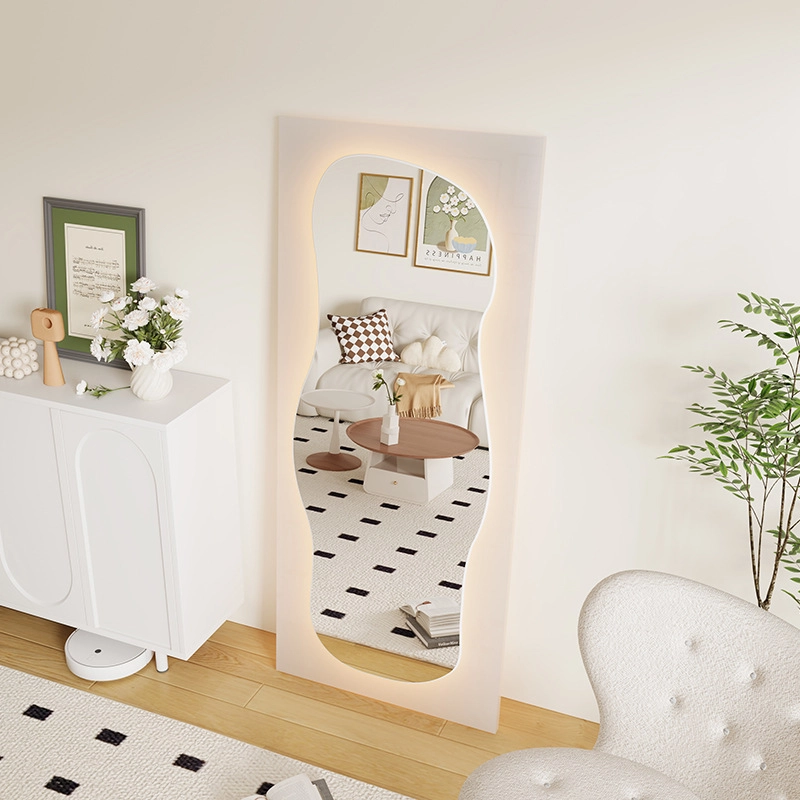
Have you ever stepped into a boutique and been immediately drawn in by the smooth flow of the interior space? That’s the magic of smart design choices, and irregular shaped floor mirrors are stealing the show in retail spots these days. These aren’t your grandma’s plain old rectangles—they’re curvy, wavy, or asymmetrical pieces that play with light and space in ways that make customers linger longer.If you run a boutique or are planning an exhibition, consider how these mirrors can enhance your visual appeal. They can heighten that wow factor, attracting passersby to step inside and turning browsers into buyers. In this article, we’ll delve into seven fantastic ways to use them, focusing on practical applications that can boost foot traffic and sales. We’ll also discuss design advantages, display techniques, and marketing perspectives to keep things fresh. Stay tuned – you might just find inspiration for your next store renovation.
1. Boosting Fitting Room Appeal
Picture this: a customer steps into your boutique’s fitting room, slips on a new outfit, and bam—there’s an irregular floor mirror that makes them look and feel like a million bucks. These mirrors aren’t just functional; they add a touch of drama. In high-end fashion spots, like those cozy urban boutiques, owners swear by them for creating an intimate, flattering vibe.
Take a small clothing store in downtown Chicago I visited last year. They swapped out boring square mirrors for wavy, LED-lit ones. Sales jumped 15% in the first month—folks were snapping selfies and sharing on social, turning the space into free promo. Why? The irregular shapes soften harsh lines, making outfits pop without distortion. For merchandising, position one near the checkout; it encourages last-minute add-ons like accessories.
Design-wise, these mirrors reflect light in unexpected ways, brightening dim corners. In exhibitions, say at a trade show booth, they make try-on areas feel luxurious. Kingwin’s Dressing Smart LED Irregular Large Floor Mirror nails this—its 170x70cm size with adjustable warm-to-cool lighting lets customers see true colors, no more “does this match?” guesswork. Plus, the anti-fog tech keeps it clear even in steamy setups. It’s all about making the customer the star.
2. Creating Illusion of Space in Compact Boutiques
Tight on square footage? No sweat. Irregular shaped floor mirrors are pros at faking bigger rooms. Lean one against a wall in a narrow boutique, and suddenly, the place feels twice as roomy. Retail pros call this the “depth hack”—mirrors bounce light around, drawing eyes deeper into the store.
I recall a jewelry shop in New York that was basically a hallway. They added a couple of asymmetrical floor mirrors, and traffic doubled. Customers didn’t feel crammed; instead, they explored more shelves. Data from retail analytics firms like RetailNext shows spaces using mirrors see 20-30% longer dwell times. That’s gold for upselling.
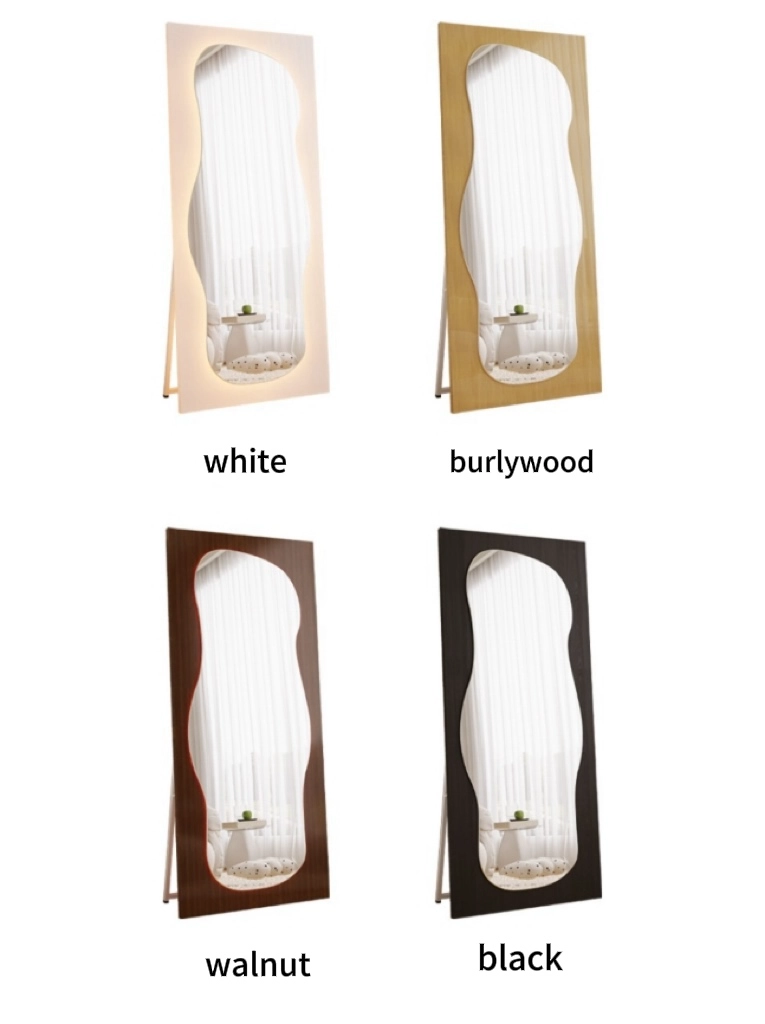
In visual marketing, pair them with spotlights to highlight premium items. The curves add a modern edge, steering clear of boxy feels. For exhibitions, they’re perfect in pop-up stalls—lean ’em strategically to expand perceived booth size without extra cost. The Kingwin model, with its customizable gold or black frames and dimmable LEDs, fits right in. At 180x80cm, it’s large enough to dominate but irregular enough to blend seamlessly, enhancing that open, inviting atmosphere.
- Quick Tips for Placement:
- Angle toward high-traffic aisles to pull in passersby.
- Combine with plants or racks for a layered look.
- Avoid direct sunlight to prevent glare.
3. Elevating Window Displays
Windows are your storefront’s billboard, right? Irregular floor mirrors crank that up by adding layers and movement. Place one in the display, reflecting mannequins or products—boom, instant depth that stops folks in their tracks.
Think about holiday setups in boutique districts. A San Francisco store used wavy mirrors to showcase scarves and hats last winter. Reflections created a kaleidoscope effect, drawing crowds even on rainy days. Industry reports from Visual Merchandising Magazine note that dynamic displays with mirrors boost window conversion rates by up to 25%.
Design impact? The shapes break monotony, making your spot stand out from cookie-cutter shops. In merchandising, they spotlight key items without clutter. For exhibitions, imagine a furniture fair booth where mirrors reflect prototypes, multiplying visual interest. Kingwin’s irregular floor mirror, with its three color temps (3000K warm glow for cozy vibes), adds that smart touch. Its shatter-proof glass and IP44 rating make it tough for busy environments. Customers can’t help but peek inside.
4. Enhancing Product Staging Areas
Staging products? Irregular mirrors turn ordinary shelves into eye-catching zones. In boutiques, lean one behind a display table—reflections make inventory look fuller, tempting impulse buys.
A friend who owns a home goods store in Austin tried this with candles and vases. The mirror’s curves echoed the items’ shapes, creating harmony. Foot traffic rose, and so did basket sizes—people grabbed extras they “saw” in the reflection. Per Nielsen retail studies, well-staged areas with visual aids lift sales by 18%.
From a marketing standpoint, it’s subtle selling: mirrors let customers visualize ownership. In exhibitions, use them to frame prototypes, emphasizing details. The Kingwin Dressing Smart LED version shines here—touch-sensor lights adjust for perfect viewing, and the 160x60cm size fits snugly without overwhelming. Materials like copper-free glass ensure longevity in high-touch spots.
| Staging Setup | Mirror Benefit | Example Outcome |
| Jewelry Counter | Adds sparkle via reflections | 22% sales uptick in accessories |
| Clothing Rack | Creates outfit illusions | Longer customer engagement |
| Art Display | Enhances color pop | Higher perceived value |
5. Fostering Interactive Customer Experiences
Want customers chatting and sharing? Irregular floor mirrors encourage that social buzz. In boutiques, group a few for group try-ons—friends pose, laugh, and buy together.
At a Miami fashion expo, booths with these mirrors became hotspots. Attendees snapped pics, tagging the event. Social media metrics showed a 40% spike in mentions. It’s experiential marketing at its best.
Design-wise, the asymmetry sparks curiosity. Merchandising tip: Place near interactive elements like sizing charts. Kingwin’s model, with anti-rust tech for humid venues, holds up. Its LED strips (waterproof SMD) offer dimmable moods, perfect for evening events. At 5mm thick glass, it’s sturdy yet sleek.
6. Integrating into Themed Exhibition Booths
Themed booths need cohesion. Irregular mirrors tie it all together, reflecting motifs for immersive feels. In a vintage-themed exhibition, wavy ones evoke old-school glamour.
A London design fair used them to mirror art installations—visitors felt part of the scene. Attendance feedback highlighted the “engaging” setups. Retail wisdom: Themes with mirrors retain 25% more visitors.
Visual impact? Curves soften edges, blending with diverse decors. Kingwin’s irregular large floor mirror, customizable in white frames, adapts easily. Features like beveling and anti-scratch coating keep it pristine.
- Theme Ideas:
- Bohemian: Pair with textiles for flowy reflections.
- Minimalist: Use for clean, expansive looks.
- Industrial: Black frames for edgy contrast.
7. Supporting Pop-Up and Mobile Retail
Pop-ups are all about quick impact. Irregular floor mirrors pack light but deliver big—easy to transport, they transform bland spaces fast.
In LA’s food truck-turned-boutique scenes, mirrors made tiny vans feel boutique-chic. Sales per square foot climbed 30%, per pop-up trend reports. Marketing edge: They create shareable moments.
Design perks include portability; lean anywhere. Kingwin’s version, with portrait orientation and plug-in setup, is ideal. Its 35-40 day production lead fits rushed orders.
About Qingdao Yinlongfei: Your Go-To for Home Decor Manufacturing
Before we wrap up, let’s shine a light on Qingdao Yinlongfei Handicraft Co., Ltd. This powerhouse, kicking off in the early ’90s and solid since 2003, calls Qingdao, China, home. They’re all about crafting top-notch home decoration goodies, with a real knack for mirrors that blend style and smarts. Think thousands of designs from their seasoned R&D crew, backed by certifications like ISO9001 and BSCI. They’ve been dishing out quality to shops worldwide for over two decades, keeping things fresh with OEM options. If you’re hunting for reliable, eye-catching pieces like those irregular floor mirrors, they’re the folks to know.
Conclusion
Wrapping it up, irregular shaped floor mirrors aren’t just decor—they’re smart tools for boutique owners and exhibition planners chasing that edge. From pumping up space illusions to sparking customer chats, these pieces pack a punch in retail merchandising and visual marketing. Throw in thoughtful design impacts, and you’ve got a setup that not only looks killer but drives real results. Next time you’re revamping, give ’em a shot; your traffic numbers might just thank you.
FAQs
What makes decorative floor mirrors for retail like irregular shaped ones stand out in boutique settings?
These mirrors shine because of their unique curves and LED perks, like adjustable lighting on models such as Kingwin’s Dressing Smart LED Irregular Large Floor Mirror. They draw eyes, make spaces feel bigger, and help customers visualize outfits better, boosting that in-store vibe without much effort.
How can decorative floor mirrors for retail improve exhibition booth traffic?
By creating focal points and reflections that multiply displays, they pull in crowds. For instance, leaning an asymmetrical mirror behind products adds depth, encouraging folks to step closer and engage—think 20-30% more linger time based on retail stats.
Are there specific features in decorative floor mirrors for retail that suit high-humidity areas like spas or boutiques?
Yep, look for IP44-rated ones with anti-fog and anti-rust tech. Kingwin’s irregular model has a heated demister pad and waterproof LEDs, keeping things clear and durable even in steamy spots.
What’s the best way to incorporate decorative floor mirrors for retail into visual merchandising?
Start simple: Angle them toward key displays or fitting areas. Use bullet-proof setups with shatter-resistant glass for safety, and mix with lighting to highlight merch—it’s a straightforward way to amp up sales without overhauling the whole store.