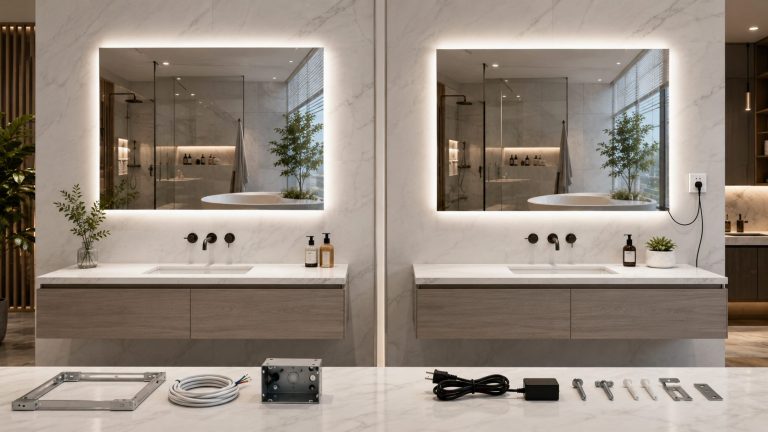
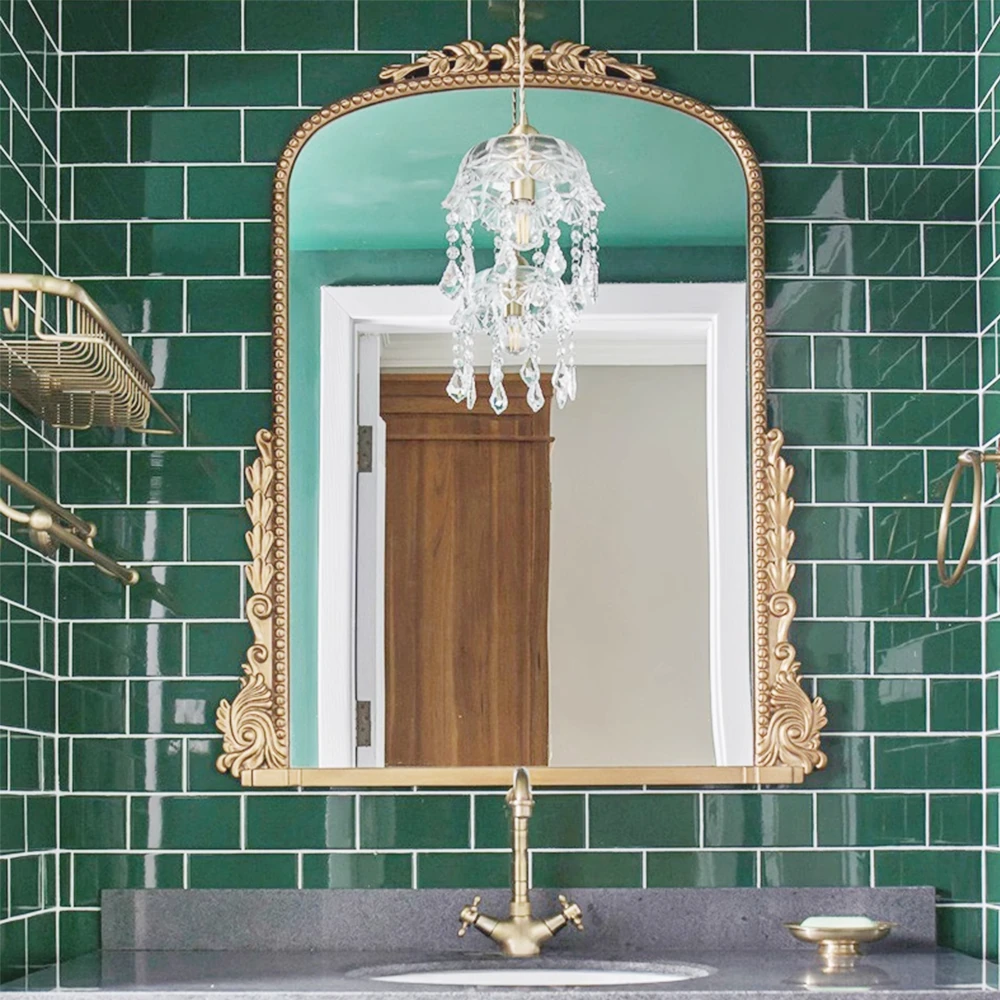
Edge blackening of Mirror edges, found mostly in bathroom mirrors, is a typical problem caused by long time exposure of moisture and of chemical agents. The process of edge blackening slowly eats away the silver backing of the mirror, making darkish discolouration on the edges of the mirror. The process of eating away the silver consists of corrosion that is caused by chemical reactions of humidity and oxygen with cleaning agents or residues that have entered the mirror through the coating. In bathrooms a lot of steam and condensation occurs. This will promote the above process of degradation. It is important to prevent edge blackening as this will not only harm the optical look of the mirror but also will deteriorate the reflective quality and the overall quality of the mirror in the long run.
What Causes Bathroom Mirrors to Develop Black Edges?
A variety of environmental and installation related factors have been found to cause mirror corrosion in wet areas. Understanding the causes of mirror corrosion allows the user to best implement methods for preventing it.
The Role of Moisture and Humidity
Bathroom mirror blackening is usually down to moisture. Water from the shower or bath drips down onto the mirror and, as it evaporates it oxidises the back of the mirror. The mirror edge is the first place this problem becomes evident because of the gap between the two layers of glass. If the mirror is not properly sealed the water vapor will get into the gap and start to attack the mirror from within. In bathrooms without an appropriate ventilation system, such as an extractor fan or opening window, the amount of moisture in the air can remain high allowing the silver to be corroded quickly by even small amounts of moisture. This affects the reflective coating along the edge of the mirror.
Chemical Reactions from Cleaning Agents
The cleaning products for mirrors can also affect the mirror frame edges negatively. The protective layer of the mirror coating can be degraded by strong cleaning agents. Especially aggressive are ammonium hydroxide containing agents as well as acidic agents. Repeatedly applying such cleaning agents on the mirror coating can strip off the reflective layers completely. In addition to this, cleaning agents that are sprayed directly onto the mirror surface instead of being applied on a cloth, are left on the mirror surface in excess amounts. This excess amount of liquid is then running along the edges of the mirror frame. If the edges are not sealed hermetically, the liquid will penetrate in between the mirror surface and the frame edge. There, it will cause black spots or black stripes over time.
Installation and Environmental Factors
Even correct selection of mirrors cannot overcome problems caused by improper installation and misuse of mirrors in service. This is because most bathroom mirrors are mounted directly against the wall, without space for air to enter between the back of the mirror and the wall. As a result, moisture from the mirror edges becomes trapped behind the mirror, encouraging oxidation. In addition, the adhesive bond between the mirror and the wall is further weakened by the typical condensation cycles of temperature and humidity found in most bathrooms. This problem is greatly exacerbated where mirrors are installed too close to sinks or showers and are consequently exposed to risk of water splashes and high levels of steam. If no preventative action is taken during the mirror’s installation, this can lead to premature edge deterioration.
How Can You Prevent Mirror Edge Corrosion in Bathrooms?
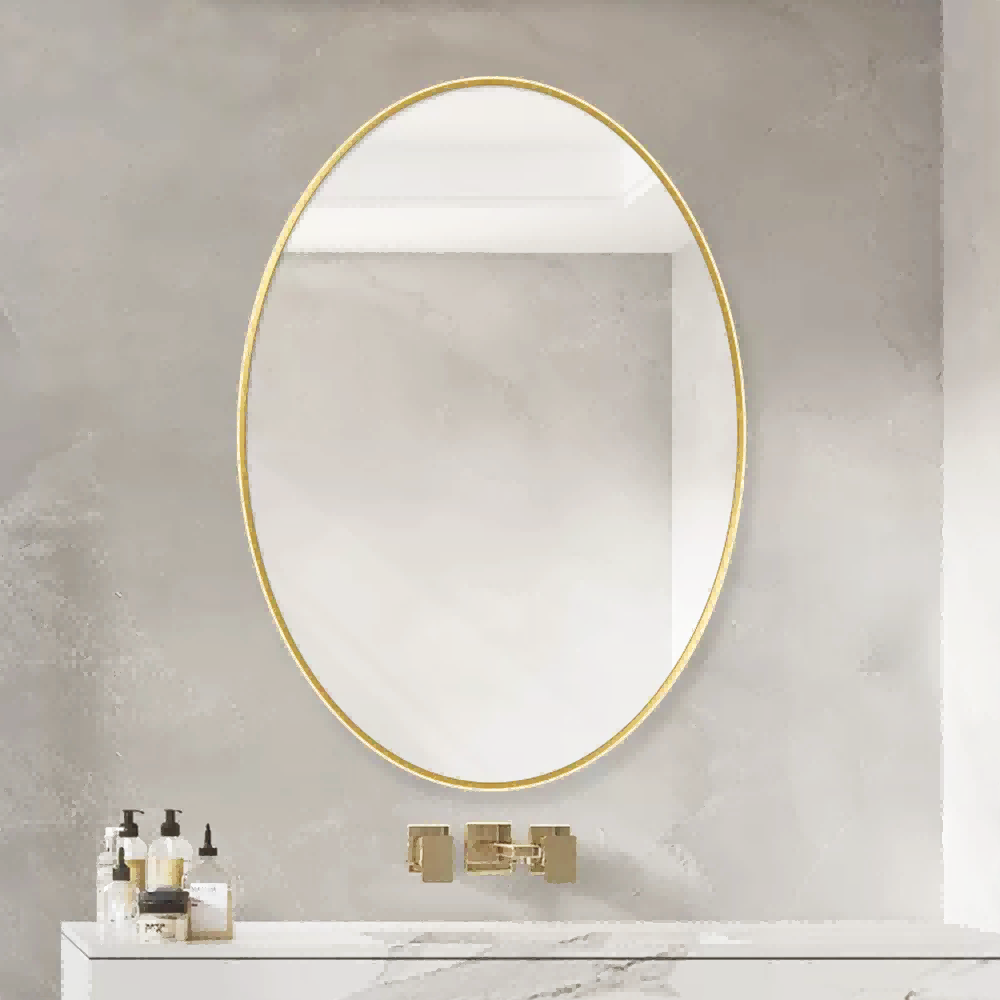
Effective prevention involves selecting the best products and methods for installation, and applying them correctly in humid environments.
Choosing the Right Mirror Type and Coating
When choosing bathroom mirrors, it is important to choose high quality, moisture resistant mirrors. Many good quality bathroom mirrors come with anti-corrosion coatings or sealed edges to help to prevent humidity penetrating through the mirror. There are many good quality bathroom mirrors on the market, but as a general rule, it is best to avoid those that contain copper as they are prone to oxidation, unlike many other models of mirrors. Additionally, look for Safety Backed Mirrors. These have an extra layer of protective covering that adheres to the back of the glass, preventing it from shattering and causing injury.
Proper Installation Techniques for Longevity
The main aspect of the maintenance of mirrors for gyms and spas is the correct installation of the mirrors using the appropriate materials and methods.
Sealing and Mounting Practices
When installing mirrors it is very important to use a good quality silicone sealant around all of the edges to prevent any vapor intrusion. A small air gap between the mirror and the wall will also enable the wall to dry out behind the mirror and will reduce the amount of condensation that occurs. Also when fixing a mirror to a wall use a non acidic adhesive as some have been known to attack mirrored surfaces and cause damage over time.
Placement Considerations in Bathroom Design
The way you place your mirrors can also have a huge impact on protecting them from corrosion. Avoid placing your mirrors near showers and bathrooms with faucets as they can come into contact with water. Installing some form of ventilation such as exhaust fans or a dehumidifier in your bathroom will also help to reduce the amount of time that your mirrors are exposed to humidity which in the long run can cause damage to reflective surfaces.
What Maintenance Practices Help Extend Mirror Lifespan?
Even with the best quality of construction materials and the proper installation techniques, the mirror still requires regular maintenance in order to maintain its high quality for long periods of time.
Regular Cleaning Without Damaging the Surface
Establish a routine of gentle cleaning that prevents corrosive residue from building up while keeping the optics clean and clear.
Recommended Cleaning Products and Methods
Bathroom mirrors can be cleaned with pH-neutral cleaners or a diluted solution of vinegar. Instead of spraying a liquid onto the mirror surface, spread it onto the mirror with a soft microfiber cloth. This allows for control of the amount of moisture on the surface at the point of contact.
Preventive Care After Cleaning Sessions
Drying all edges carefully with lint-free cloths after cleaning is essential to prevent any moisture marks from appearing. Periodic inspections every few months or so can detect early signs of discoloration or peeling, which can then be addressed by re-sealing or replacing as required.
How Can Qingdao Yinlongfei Handicraft Support Your Mirror Needs?
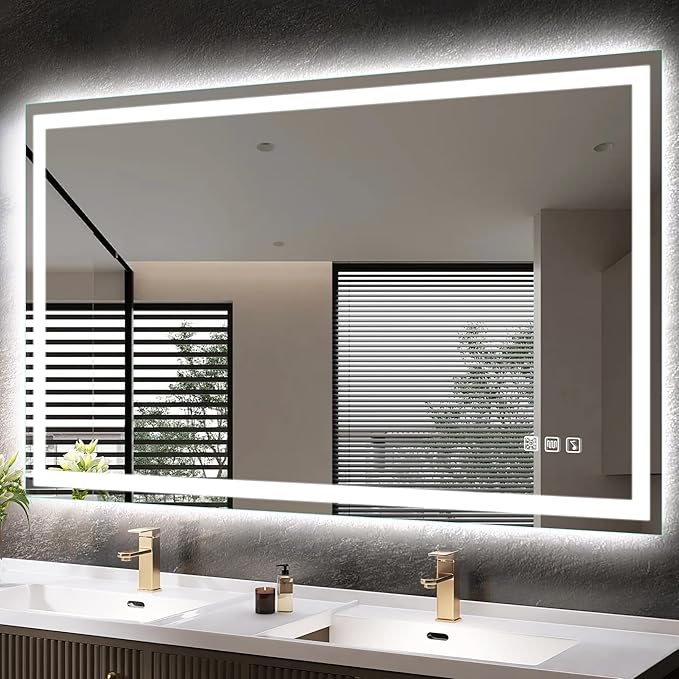
Qingdao Yinlongfei Handicraft is a high-end supplier of high quality bathroom mirrors and other decorative glass products for use in humid environments all over the world. High quality bathroom mirrors made by Qingdao Yinlongfei Handicraft can be custom designed to meet the special requirements for any type of building or interior decoration. Mirrors are produced with advanced coating technologies to resist corrosion caused by humidity, which is a common problem in bathrooms. We offer OEM/ODM services with comprehensive production and high quality control to guarantee the high quality of all our products. Our efficient logistics and customer service teams can provide you with global supply services for projects such as residential bathrooms and commercial bathrooms.
Conclusion
To prevent black edges on your bathroom mirror, you will need to choose the correct type of mirror, install it correctly, and keep it clean. High quality mirrors made from copper-free mirrored material or mirrored material that has an anti-corrosion coating, can resist oxidation. It is essential to ensure that the edges of the mirror are properly sealed during installation. The mirror should also be fitted in a location that is not too close to a water outlet. If you choose to buy from suppliers, you should look for reputable companies such as Qingdao Yinlongfei Handicraft, suppliers of high quality bathroom mirrors, specifically designed for modern bathrooms with high humidity.
FAQs
Why do some new bathroom mirrors develop black edges quickly?
The phenomenon is most likely to occur when low-quality backing materials are used to assemble a mirror or the assembled mirror is not properly sealed when installed in a high-humidity environment.
Can black edges be repaired once they appear?
While minor discoloration can sometimes be concealed using specialized coatings or frames, full restoration typically requires replacing either the affected section or installing an entirely new mirror unit.
How often should bathroom mirrors be inspected for early signs of corrosion?
The recommended inspection frequency is every 3 to 6 months, especially in poorly ventilated bathrooms. During these inspections faint discoloration along edges of the tiles can be detected before serious damage occurs.