When purchasing a large quantity of decorative wooden floor mirrors, choosing the right supplier is not merely about seeking the lowest price. The key lies in collaborating with those suppliers who can consistently provide high-quality products, complete deliveries on time, and truly meet the retailers’ demands for rapid sales. I’ve watched plenty of buyers get stung. They fall for shiny samples that crumble after just a handful of containers. Or worse, the supplier vanishes the moment a problem shows up. If you’re loading up boutiques, online shops, or hotel lobbies, a dependable wood floor mirror wholesale supplier can seriously protect your profits—or wipe them out. Let’s walk through the actual steps to make a smart choice. These tips come straight from real experience in the trade.
Why Decorative Wood Floor Mirrors Are a Hot Wholesale Item Right Now
These mirrors have moved way beyond plain old rectangles. Now you see irregular outlines, sturdy wood borders, and clever extras like built-in lights. They turn into eye-catching centerpieces that practically sell themselves on showroom floors and web pages. Shoppers go crazy for that relaxed boho feel or clean modern-farmhouse style. Picture a gently curved frame resting against a bedroom wall. Or one sitting in a salon corner, catching the light just right. Recent retail numbers show full-length and decorative floor mirrors keep climbing the charts in home decor searches. That surge really took off after people started fixing up their homes during lockdowns.
Still, wholesale buyers run into a common snag. Not every plant handles wood frames properly. Frames warp. Finishes peel. LEDs start buzzing or dim after a short while. Those headaches kill customer loyalty fast. That’s exactly why careful supplier checks matter so much.
Key Factors to Evaluate Before Placing a Bulk Order
Jump into the basics first. Then dig a little deeper than the pretty catalogs.
1. Material Quality and Craftsmanship
Solid wood really is a must for that upscale touch. Flimsy MDF or particle board bends and twists when humidity hits—especially after crossing oceans. I’ve seen whole shipments arrive looking like banana peels. Always push for clear details on the wood type. Think oak, pine, or walnut veneers. And pay close attention to how the corners join. Dovetail joints or mortise-and-tenon beat cheap staples hands down.
The glass counts just as much. Go for copper-free, lead-free silver-backed mirrors. Five millimeters thick usually works best for floor-standing pieces. It keeps reflections sharp and free of wavy distortions. Extra anti-scratch layers and shatter-resistant treatments bring added safety. That’s huge when mirrors sit on busy retail floors.
Here’s the honest part. If possible, swing by the factory yourself. At the very least, demand super-clear photos of raw stock and finished edges. One smart buyer I know caught sloppy grain mismatches. He only spotted them because he insisted on seeing pre-production pieces first.
2. Features That Actually Sell
Shoppers today want mirrors that do more than just reflect. They crave useful add-ons. Touch-control LEDs. Switches that flip between warm glows and bright daylight tones. Anti-fog pads that keep the surface clear in steamy bathrooms or salons.
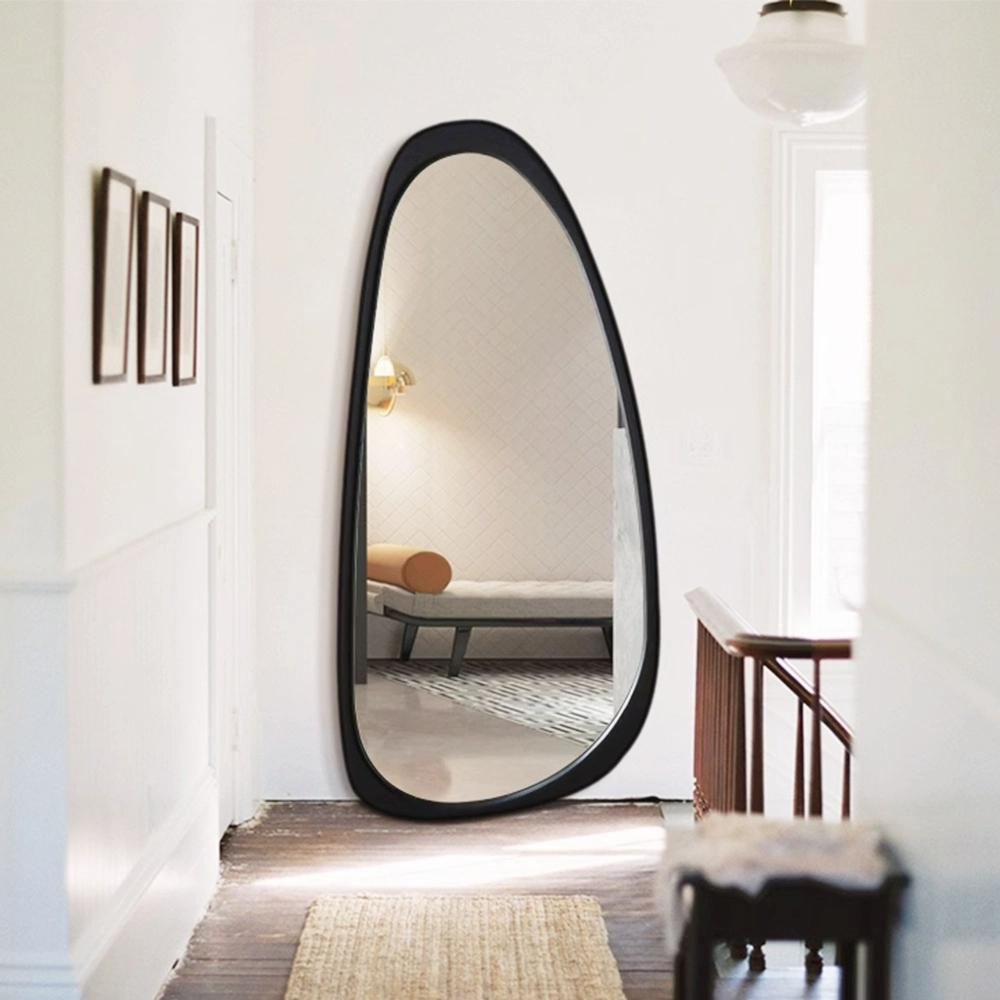
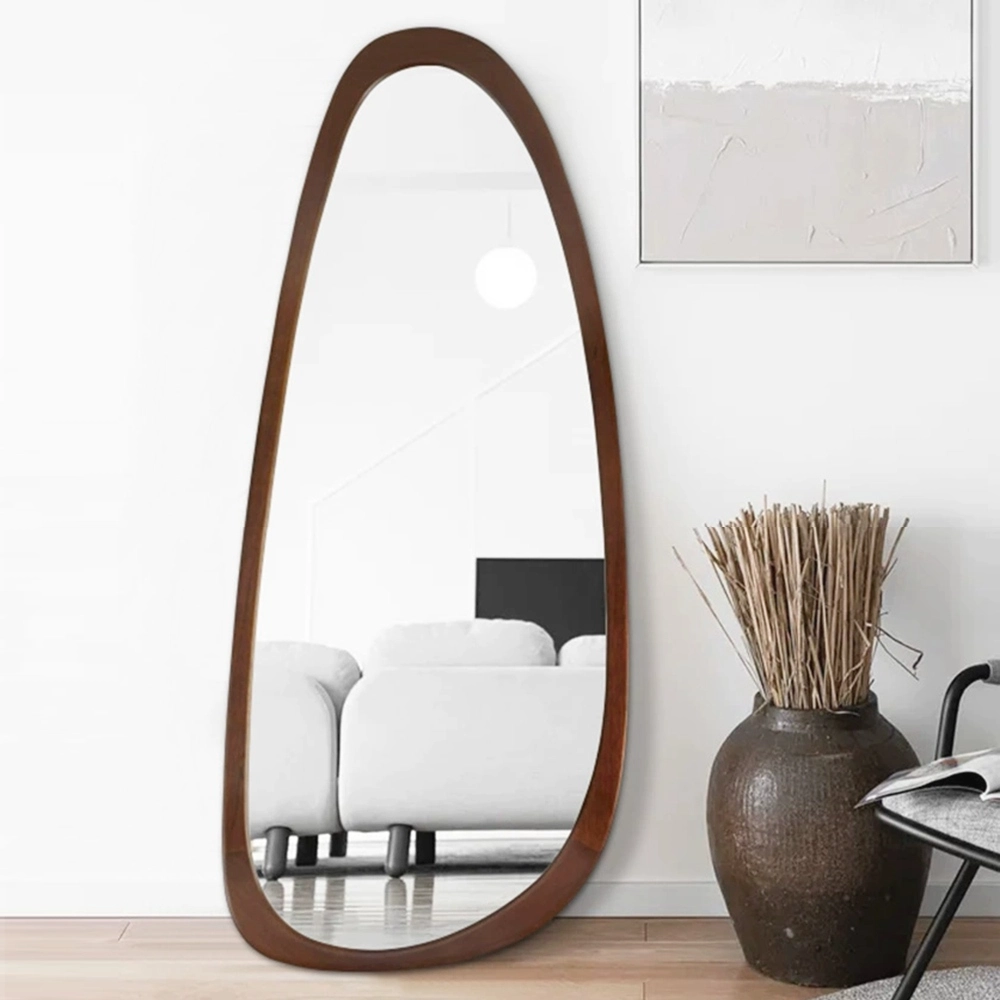
Irregular outlines give that viral, photo-ready appeal. A great example is the Manufacture Irregular Decorative Wood Floor Mirror from a solid Chinese producer. You can get it in handy sizes like 160x60cm or 180x70cm. Custom dimensions work too. The frame comes in gold, black, or white finishes. A simple touch switch cycles through three light temperatures. Dimmable LEDs use 2835 or 5050 chips with high color accuracy. There’s an anti-fog defogger built in. You can stand it portrait or landscape style. Shatter-proof treatment adds peace of mind. Metal hooks keep it steady. Lead time usually runs 35 to 40 days. That’s pretty normal for made-to-order jobs.
Those little upgrades aren’t just fancy tricks. They push average sale prices higher. And they cut down on returns.
3. MOQ, Pricing, and Payment Terms
Minimum order quantities trip up a lot of smaller buyers. Factories often want 200 to 500 units per style—especially when shapes get funky or lights get added. If you’re dipping your toe in with a fresh collection, try negotiating a smaller first run. Or ask to mix different designs.
Pricing floats between $80 and $200 per piece. Size, lighting, and wood grade move the needle. Bigger volumes slash costs quickly. Always ask for FOB Qingdao quotes. That’s the norm out of China. Then layer on duties, ocean freight, and insurance so you aren’t surprised later.
Payment setups follow the usual pattern. Thirty percent upfront. The rest against the bill of lading copy. Some places take letters of credit or even credit cards for modest orders. Just watch out for sneaky extras like custom mold fees.
4. Quality Control and Testing
Find out exactly how they check work. Do they inspect during production? Do they run full pre-shipment reviews? Or bring in outside firms like SGS? Push for AQL standards. Something like 2.5 for serious flaws is fair.
Lighted mirrors need special attention. Test for flickering. Feel for excess heat. Check how long the bulbs really last. For wood frames, ask about proper kiln-drying. Some plants skip that shortcut. Others do it right.
A practical tip from the trenches: Write a small defect allowance—maybe one or two percent—right into the contract. Reliable suppliers swap out bad units without drama.
| Factor | What to Ask For | Red Flag Example |
| Wood Quality | Species, kiln-drying cert, joinery type | “Engineered wood” without details |
| LED Specs | CRI rating, waterproofing, dimmable | No CRI or “energy-saving” vague claim |
| QC Process | AQL level, inspection reports | “We check ourselves” only |
| Customization | Sample turnaround, mold fees | 60+ day lead without explanation |
5. Lead Times, Shipping, and Packaging
Thirty-five to forty days feels realistic for detailed builds like irregular wood floor mirrors. Samples usually take another three to seven days. Miss holiday windows and you’re toast. Plan early.
Packaging makes a huge difference. Good setups use corner guards, thick bubble wrap, and tough cartons. That combo stops most shipping dents and cracks. A few suppliers even provide ready-to-display boxes for store shelves or compact mailer versions for direct-to-customer drops.
Sea freight stays the cheapest route for big loads. Air works fine for quick samples. If your buyers care about green credentials, FSC-certified wood gives you a nice talking point.
6. Communication and After-Sales Support
Dealing with language gaps and opposite time zones can get frustrating. Choose suppliers who speak clear English and answer fast—ideally within a day. Video chats clear up design questions way better than endless email threads.
After the sale matters too. Look for solid warranties on electronics—usually one or two years. Easy returns for defects help a ton. A supplier who admits mistakes and fixes them quickly becomes a long-term ally.
About Qingdao Yinlongfei: A Trusted Name in Home Decor Manufacturing
Qingdao Yinlongfei stands out as a specialized manufacturer of home decoration products. They kicked things off in the early 1990s and got fully re-established in 2003, giving them over two decades of hands-on experience. The company runs a 10,000 sqm production base packed with modern lines, and their R&D team keeps churning out fresh designs—thousands available. They’re big on certifications like BSCI, Sedex, HIGG, ISO9001/14000, and FSC, which matters for quality and ethical sourcing. Exports hit more than 40 countries, supplying major retailers in North America and Europe. Under their Kingwin Decor branding, they focus heavily on mirrors, including wood-framed and LED-integrated floor models, with strong OEM/ODM capabilities.
Conclusion
Choosing the best supplier of decorative wooden floor mirrors for bulk orders is crucial in terms of quality, functionality and reliability. The one with the lowest price is not always the most suitable option – go for those who can truly meet the specification requirements, express themselves clearly and provide after-sales guarantees for the products. A good partner can turn your inventory into best-selling items, reduce the return rate and open the door for future business. Conduct thorough research, request real samples and establish this partnership. The right wholesale supplier isn’t just a vendor; they’re part of your growth story.
FAQs
What should I look for first when choosing a wood floor mirror wholesale supplier?
Start with material quality—solid wood frames, copper-free HD glass, and solid LED specs if lighted. Check certifications and ask for pre-production samples to spot issues early.
What’s a typical MOQ for irregular decorative wood floor mirrors in bulk?
Most factories set MOQ at 200-500 pieces per design, especially for custom shapes or LED features. Some negotiate lower for mixed orders or first-time buyers.
How do I compare quality between different wood floor mirror wholesale suppliers?
Request detailed specs, close-up photos, and third-party test reports. Compare CRI ratings on LEDs, wood treatment processes, and packaging methods. Always test samples in real conditions.
Are there extra costs I should watch for with a wood floor mirror wholesale supplier?
Yes – tooling fees for custom molds for non-standard shapes, sample costs (which are usually refunded upon placing the order), shipping fees, and possible customs duties. Obtain a complete quote that includes packaging and shipping terms.
Can I get customization like specific frame colors from a reliable wood floor mirror wholesale supplier?
Absolutely. Good manufacturers offer custom sizes, finishes (gold/black/white), and features like anti-fog or touch controls. Lead times usually stay 35-40 days for tailored runs.