A living-room mirror range has to survive two very different moments. In the room scene it must feel right; on the purchase order it must be unambiguous. That makes “creative” a useful merchandising question: where will the mirror go, what will it replace, and which details must be settled before the retailer orders?
These are ten items that appear to be styling options but are actually mini-purchases in disguise. They can serve the design process well while a team develops a range, but the model documentation, hanging technique, and packaging determine the possibility of purchase.
Build the display around one dependable piece
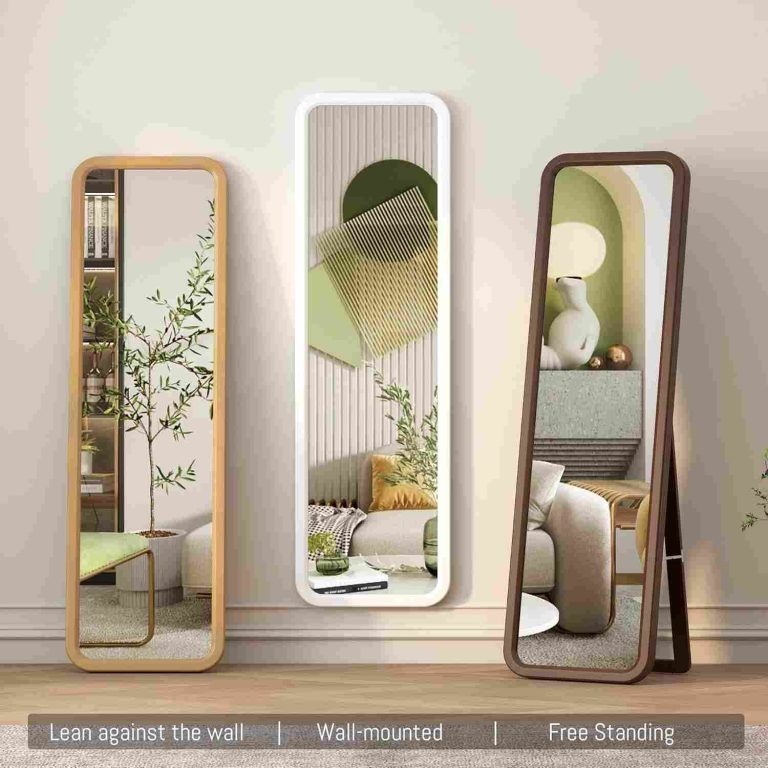
Start with the wall customers see first. Put a broad rectangle or rounded-corner piece above the sofa, console or sideboard and let it establish the scale. Smaller mirrors can then support the display instead of competing for attention.
One current Kingwin record makes the point. Its large mirror for wall shows a 400 x 1600 mm frame, a 370 x 1570 mm mirror, MDF veneer, 3 mm silver mirror glass, and horizontal or vertical wall mounting. A buyer can picture the footprint from that record. The two size figures also prevent the common mistake of treating frame size and visible glass size as the same thing.
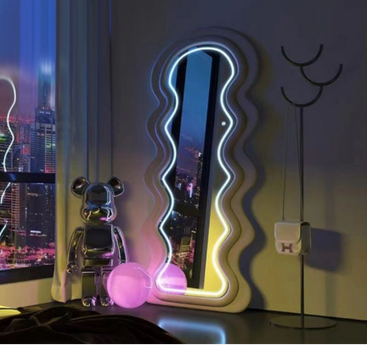
Use shape to change the room’s rhythm
An arch is useful beside a straight sofa or cabinet because the curve breaks the line. The circle can help to salvage the very thin space between two shelves. When it comes to a bigger wall, the combination of a rectangle, an arch, and a round shape can complement each other if there is a shared element among them.
The same group can support several room scenes. The creative choice is the grouping; the practical choice is checking each model’s dimensions, backing and hardware. A collection name should never conceal those differences.

When the frame does the selling
The frame can tell the story of the room. Wood-look frames will go well with wood, rattan and linen. Black adds a harder look to pale walls. A frame with jewel tones could be the item that brings buyers to a halt, whereas simpler frames will help ensure that the merchandise display is not too busy. This is how merchandising works – it does not say anything about durability or finish performance.
When reproducing for wholesale use, identify construction in as precise terms as the source provides. "Wood look" means just that – it says nothing about what the frame construction, finish and performance may be. That information belongs on the specification sheet.
Treat lighting as a separate use case
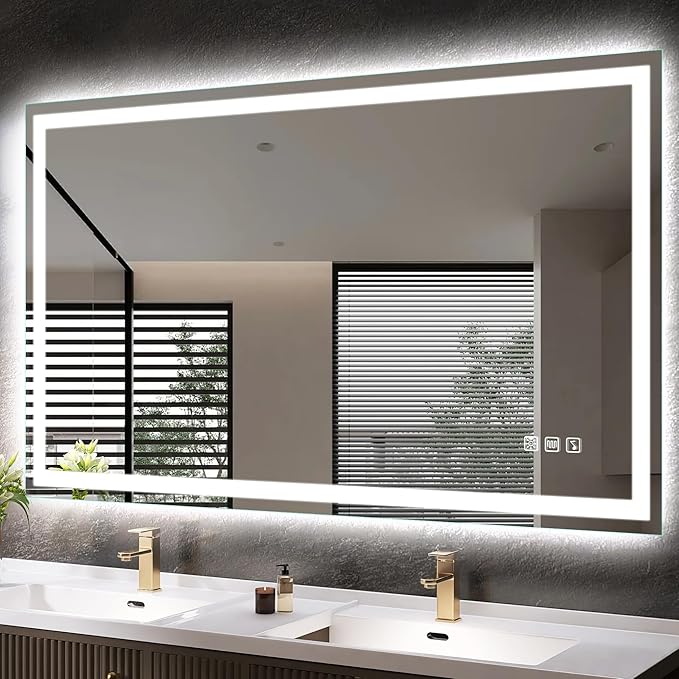
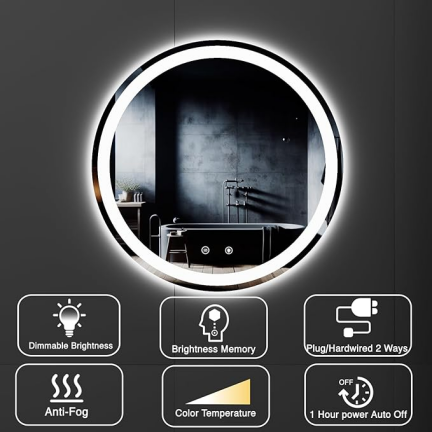
With the lighting of the mirror, there is a shift in the purchase dialogue. There is a need to consider such things as wiring, installation, moisture exposure, and even controls aside from the frame and glass. While it can be used either in the dressing room or hospitality industry, it cannot be considered suitable for any living-room wall.
Kingwin’s bathroom mirror with light page is a useful product reference for that distinction.Keywords related to the source include “bathroom mirror with lights” and “mirror with wall mount,” where the keywords point to the application of the product rather than an outright endorsement for any electrical work.
Make the room scene do practical work
The cutout informs the buyer of the shape. However, it doesn’t inform the buyer if the mirror would overpower a console. Create a scene of the room to solve this problem. Include some space of the wall on the border, make the furniture lie down below the reflected area and include a simple diagram for width and height. Image and diagram will respond to different questions.
The same scene will help the buyer create a price ladder. Opening price round accent, mid-range arch and statement piece will be able to share a finish story but at the same time they will be used as different fixtures. Ladder becomes much easier to explain since every step has a reason.
The approval conversation
Before a sample becomes a stocked SKU, a buyer should be able to answer five plain questions:
|
Buying question |
What the supplier record should show |
|---|---|
|
Where will it sit? |
Intended room role, orientation and overall dimensions |
|
What is the customer seeing? |
Frame material or finish description and mirror size |
|
How is it installed? |
Mount type, orientation and stated installation conditions |
|
Can the retailer list it accurately? |
Model-specific specification, images and size drawing |
|
Can it arrive intact? |
Packing format and handling information for the exact model |
This is ordinary buying work, yet it prevents an attractive assortment from becoming a set of incomplete listings.
Conclusion
The useful test is straightforward: Can the purchaser justify the presence of each mirror in the collection, its placement, and the inspection requirements prior to shipping? If so, then the creative effort has translated into a practical collection. The big anchor, the varying forms, the framing story, and the individual lighting application all have their place, but only in the context of the product story.
FAQs
A practical mix of shapes?
Rectangles, arches and circles can sit in one collection. Give them one shared cue, then keep the dimensions and installation record separate for each model.
Can the decorative piece lead the display?
Yes, if the frame is part of the reason a customer stops. Put quieter shapes beside it; that leaves the hero frame visible and gives the price difference a reason shoppers can see.
How many sizes belong in the first order?
Two or three is enough to test the range when construction and mounting stay consistent. The retailer’s fixtures and shipping limits should settle the actual first order.
Where does a lighted model belong?
It may share a finish story with the living-room group, but it needs its own use label and installation checks. The decorative look tells a buyer nothing about its electrical requirements.
What belongs in the sample file?
Put the exact model’s dimensions, mirror and frame materials, backing, mount type and packing description in the file. Add any product-specific test or certification documents the supplier can provide.