A mirror collection often starts with a simple idea: a new shape, a different frame style, or a design direction that fits a brand’s next season. At the early stage, the concept may only exist as sketches, reference images, or a mood board. The difficult part begins when the idea needs to become a product that can be manufactured, inspected, shipped, and reordered. Many retail brands discover that the most attractive design is not always the easiest one to produce consistently. A successful custom mirror project requires decisions about appearance, construction, production methods, and future sales plans. The brands that approach development as a long-term product strategy usually have a clearer path from the first concept to a complete collection.
The First Challenge: Choosing Mirror Designs That Have a Real Market Purpose
A new mirror collection should not begin with the question of how many designs can be created. The more important question is why customers would choose these products over existing options.
A collection becomes stronger when every design has a clear role instead of simply adding more variations.
Design Ideas Need to Match the Customer Profile
A mirror that attracts attention online may not always fit the customer group a retailer wants to reach.
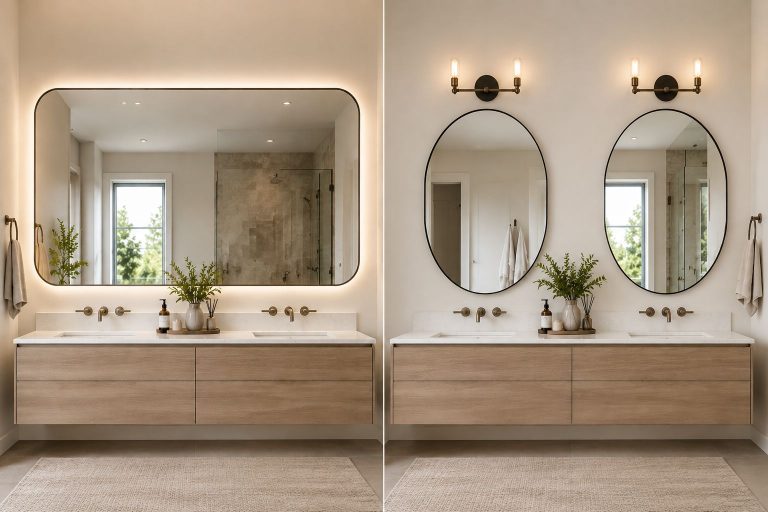
A brand selling modern home décor may focus on clean shapes, simple frames, and flexible interior applications. Another brand targeting premium customers may prefer more distinctive materials, decorative details, or statement designs.
The design decision should come from the customer experience the brand wants to create.
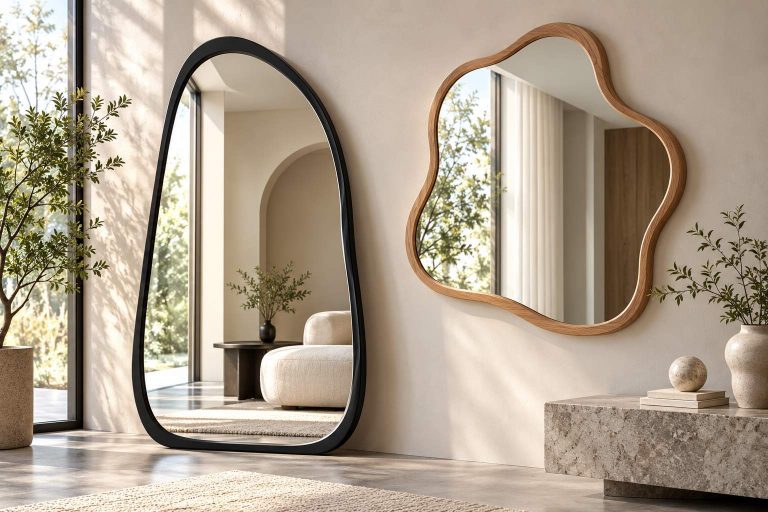
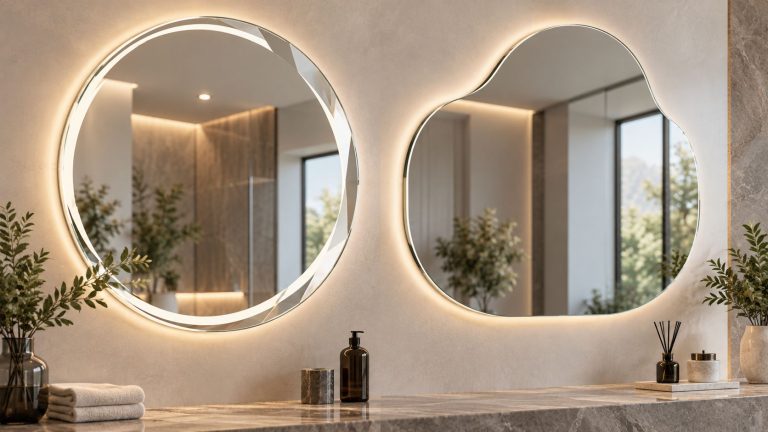
Before developing a new collection, buyers can review different options in the manufacturer’s mirror product range to understand how different shapes, structures, and applications can support different market positions.
Too Many Similar Products Can Weaken the Collection
During product planning, it is easy to create several designs that look different at first but serve the same customer need.
For example, a retailer may develop multiple mirrors with only small differences in shape or finish. While these variations may increase the catalogue size, they do not always give customers a clearer reason to choose one product over another.
A stronger collection usually has a balance between recognizable design language and meaningful differences between products.
Each mirror should answer a different purchasing reason.
From Reference Image to Production: Where Custom Projects Usually Change
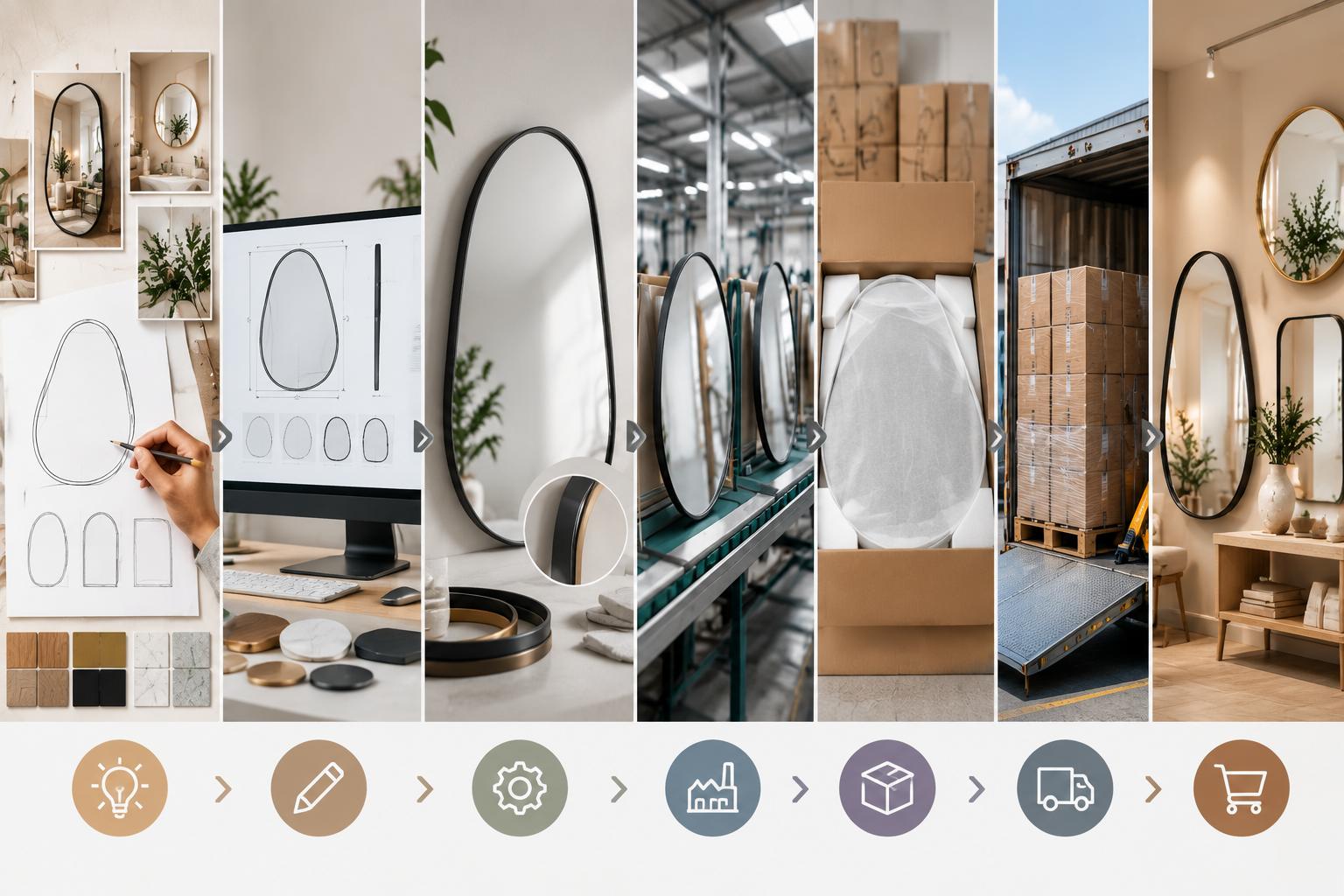
Many custom mirror projects begin with visual references. These references are useful because they communicate style quickly, but they rarely include all the information needed for manufacturing.
The transition from concept to production is where many discussions between brands and manufacturers happen.
A Design Image Does Not Show Every Manufacturing Detail
A reference picture can show the overall appearance, but it does not explain how the product should be constructed.
Questions usually appear during development:
- How should an unusual shape be cut?
- Which frame structure can support the design?
- Can the finish be repeated across larger quantities?
- Will the product remain stable after packaging and transportation?
These questions do not mean the original design is unsuitable. They are part of turning a creative idea into a workable product.
The earlier these points are discussed, the fewer changes are likely to happen later.
The Best Results Come From Adjusting Without Losing the Original Idea
A manufacturer may suggest changing a hidden structure, adjusting a material choice, or modifying a production method.
The purpose is not to remove the unique features of the design. The purpose is to protect the appearance while making the product realistic for repeated manufacturing.
For retail brands, this balance is often more valuable than creating a one-time sample that cannot be reproduced.
Building the Collection: How Many Products Should Be Developed First?
A common question during custom development is whether a brand should launch a large range or begin with a smaller selection.
There is no universal number, but the first collection should be manageable enough for the brand to understand customer response.
A Strong First Collection Usually Starts With Clear Product Roles
Instead of creating many unrelated mirrors, brands often benefit from defining different roles within the collection.
One product may represent the main design direction. Another may provide a simpler option for customers who prefer a more accessible style. Additional products can support different room applications or price levels.
This approach helps retailers create a collection that feels connected.
The customer should understand why these products appear together, even if their shapes or finishes are different.
The manufacturer’s products page can help buyers compare existing mirror categories when planning a new collection structure.
Production Complexity Should Be Considered Before Expanding the Range
Every additional size, finish, and construction method creates more decisions.
A collection with many variations may require more samples, more approval stages, and more quality checks.
This does not mean brands should avoid customization. It means each additional option should have a clear purpose.
A smaller collection with strong product positioning can often provide better control during the first market launch.
The Sample Stage: What Should Brands Pay Attention to Before Mass Production?
The first sample is where a design moves from imagination into reality.
This stage gives brands the opportunity to check whether the product still represents the original idea after materials, construction, and manufacturing methods are applied.
Appearance Should Be Reviewed Together With Practical Details
A sample review should not focus only on whether the mirror looks attractive.
Brands should also check:
- whether the proportions feel correct;
- whether the finish matches the expected market position;
- whether the frame and glass work together;
- whether the product can be displayed as intended.
A mirror may look impressive in a factory sample room but appear different when placed in a retail environment or photographed for online sales.
Reviewing the sample from the customer’s perspective helps identify problems earlier.
Approved Samples Need Supporting Information
A physical sample is important, but it should not be the only reference.
Future production needs additional information, such as drawings, material details, finish references, and agreed quality points.
Without these records, repeat orders may slowly move away from the original approved design.
This is especially important for retail brands because customers expect the same product appearance when they purchase again.
Keeping a Custom Mirror Collection Stable After Launch
The first shipment is not the end of product development.
If a mirror collection performs well, the next challenge is maintaining consistency while expanding the range or placing repeat orders.
Reorders Depend on Clear Product Information
A retailer may reorder a successful mirror several months after the original launch.
At that point, the supplier needs more than product photos. Clear production information helps both sides understand exactly what needs to be repeated.
Important references may include:
- approved samples;
- product drawings;
- material specifications;
- finish standards;
- inspection requirements.
These records reduce unnecessary discussions and make future purchasing more efficient.
Collection Growth Should Follow Customer Response
After launch, brands can evaluate which designs receive the strongest response and decide how to expand.
A successful collection may grow through additional sizes, related shapes, or matching designs.
The important point is that new products should strengthen the original collection rather than create a completely unrelated product line.
Looking for Support When Developing a Custom Mirror Collection?
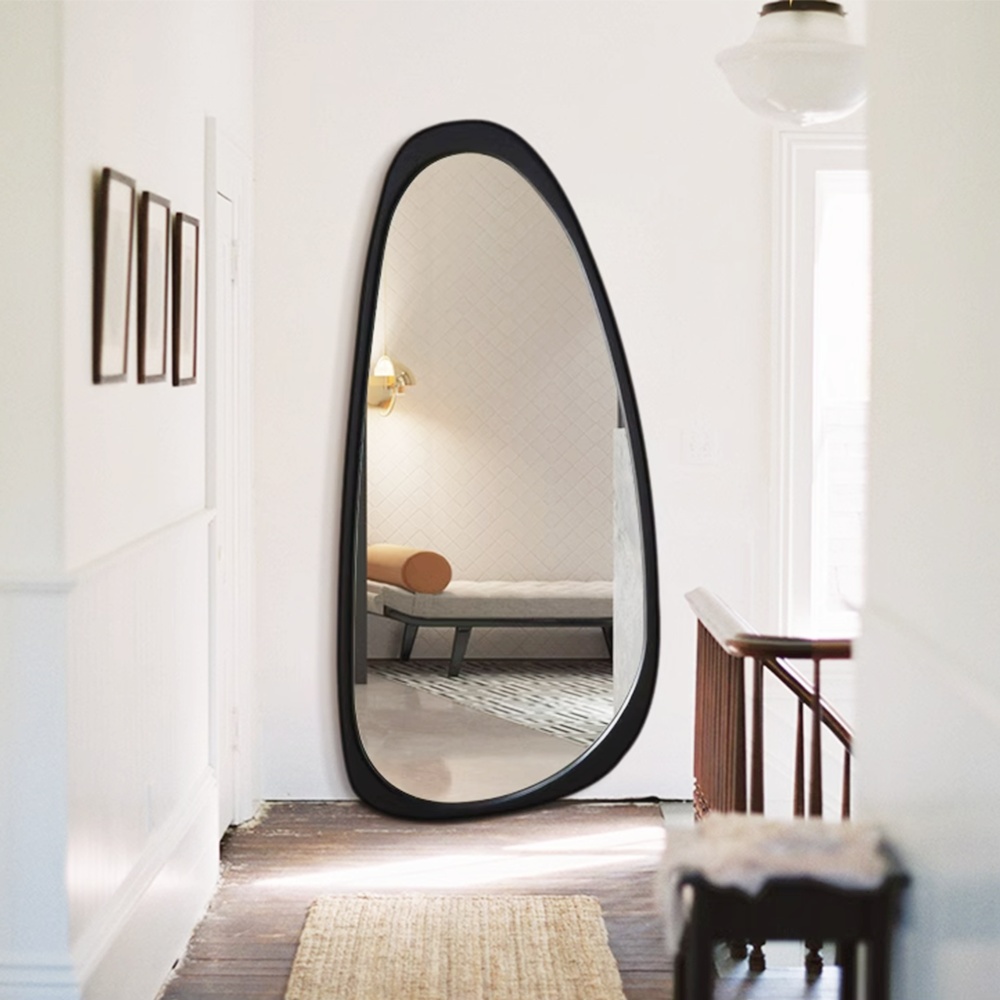
Moving from a design concept to a repeatable product requires communication between the brand’s market vision and the manufacturer’s production experience. Qingdao Yinlongfei Handicraft Co., Ltd. works with overseas buyers on OEM and ODM mirror projects, supporting customized designs, dimensions, finishes, and production discussions. Brands exploring new collection concepts can review the Manufacture Irregular Decorative Wood Floor Mirror as a reference for customized mirror development. The final product direction should always come from the brand’s target market and approved requirements rather than simply copying an existing design.
Conclusion
Creating a market-ready mirror collection requires more than finding attractive designs. Retail brands need to understand their customers, select products with clear purposes, and work through the practical details that affect manufacturing and repeat orders. The strongest collections are usually built through careful decisions made throughout development, from the first concept discussion to final production approval. When design ideas and production requirements move together, a custom mirror collection has a stronger foundation for long-term growth.
FAQs
1. Can Retail Brands Start Custom Mirror Development With Only Reference Images?
Yes, reference images can be a useful starting point, but additional information about dimensions, materials, finishes, and customer positioning is usually needed before production begins.
2. Why Do Some Custom Mirror Designs Need Changes During Development?
Changes may be needed because manufacturing methods, material performance, cost control, or repeat production requirements can affect the original concept.
3. Should Brands Develop Many Mirror Designs for Their First Collection?
A large number of designs is not always necessary. A focused collection with clear product roles can make development and market testing easier.
4. How Can Brands Keep Custom Mirrors Consistent Between Different Orders?
Approved samples, drawings, material references, and quality standards help suppliers reproduce the same product characteristics in future orders.
5. What Makes a Custom Mirror Collection More Competitive?
A competitive collection usually combines recognizable design features, practical production methods, and products that match the expectations of the target customer.