If you’ve ever cracked open a shipping container full of bathroom mirrors and found broken glass mixed in with the packing stuff, you know that sinking feeling. For folks who bring in mirrors by the truckload, breakage turns into one of the biggest quiet expenses in the whole supply chain. It chews up your profits, slows down restocking, and leaves your store partners unhappy when they expect clean, sellable stock.
The main trouble comes from plain old glass that hates rough rides across the ocean, plus all the extra handling along the way. Container conditions change a lot too. Still, plenty of smart importers slash their damage numbers by treating the shipping side just as carefully as they pick the designs. This guide lays out steps that actually work in daily bulk shipments, from the factory right to your door.
Why Mirror Breakage Hits Wholesale Buyers Hard
Imagine this scene. A 40-foot container pulls in after weeks at sea. You open the doors and spot foam bits everywhere. Some frames lean out crooked. Inside, a few big decorative mirrors show thin cracks spreading across the surface like spiderwebs. Even a small 2-3% damage rate on a normal bathroom mirror order can add real thousands to your final landed cost. You end up paying for replacements, filing claims, and losing time on sales.
Heavy glass shifts around from constant vibration. Fancy frames chip easily on impact. Humidity swings make cardboard softer over long trips. These headaches pop up more with premium looks that carry detailed carvings or bigger sizes folks want in bathrooms these days.
Double-Sided Explosion-Proof Film: Your First Line of Defense
Protection starts back at the glass itself. A lot of makers now put high-quality explosion-proof film on both sides of the mirror. That thin layer holds the pieces together if the glass gets hit hard. It cuts down on dangerous flying shards and makes the whole thing safer to move afterward.
For regular bathroom mirrors, this treatment really lowers the chance of obvious cracks. Importers who demand it often see fewer losses than with plain silvered glass that lacks the film. The film also guards against scratches while workers pack and unpack hundreds of units every shift. Warehouse crews notice that difference right away.
Packaging Showdown: Display-Ready vs. E-Commerce Style
Not every packing style fits bulk wholesale needs. Here’s a simple side-by-side that many buyers use when they set specs:
- Display packing: Stronger outer boxes with custom foam pieces and tough corner guards. It works great for fancy items going straight to physical stores. The mirror stays looking sharp for the sales floor, but it weighs more and costs extra.
- E-commerce/mailbox packing: Lighter boxes with bubble wrap and reinforced edges. These save space and suit mixed loads or online orders, yet they need tighter loading inside the container so nothing slides around.
From experience on the docks, display packing often comes out ahead for detailed bathroom mirrors. The extra padding soaks up those small jolts that happen when containers get stacked high or rocked in rough water. One buyer told me about switching to reinforced display packs on a 500-piece trial. Their damage rate fell from almost 5% down to under 1%. Sure, it raises freight per piece, so always check the math against your volume and selling price.
Container Loading Tricks That Actually Work
The way you fill the container counts just as much as the box around each mirror. Crews usually pick between two main methods:
- Vertical fixing: Mirrors stand upright, braced tight against the walls or between solid pallets. This setup fights the natural bending that flat glass does under its own weight during long voyages. Straps and blankets stop everything from moving.
- Horizontal separation: Pieces stacked in layers with thick foam sheets between them. It loads quicker sometimes, but it carries more risk if the ship hits bad weather and the pile presses down.
Teams that load thousands of mirrors every year lean toward standing them vertical for most decorative and bathroom mirror shipments. They tuck them between heavier furniture or blow up dunnage bags to fill empty spots. The whole idea stays basic: keep movement as low as possible. Even a couple inches of sliding over weeks on the water can ruin a perfect mirror.
Add solid corner protectors on every frame. Tape an “X” across the glass before you wrap it. That simple old trick helps contain any cracks and gives insurance folks clear proof that you prepped things right.
Third-Party Inspection: Catch Problems Before They Sail
Skip the final check at your own risk. A solid third-party inspector walks the factory floor, pulls random samples, and tests how well the packing holds up. They hunt for loose frames, uneven film, or boxes that feel too light on cushioning.
In one real case, an inspector spotted slight warping on PU frames from recent damp weather. They fixed it at the plant for almost nothing. That beat dealing with returns after the goods landed. Time the visit during final packing so any tweaks happen fast.
Insurance and Claims: What Actually Gets Paid
Get cargo insurance that truly covers fragile items under “all risks,” not just basic sea coverage. Take clear photos of the loaded containers, keep loading reports, and hold onto the inspection certificate. When damage shows up, report it quick inside the policy deadlines. That step often decides whether you get paid or not.
Buyers who’ve done this for years build close ties with forwarders who know home decor inside out. Those partners pick carriers that handle glass better and steer clear of ports with rougher gear.
Spotlight on the European Vintage Large Baroque Hanging Mirror
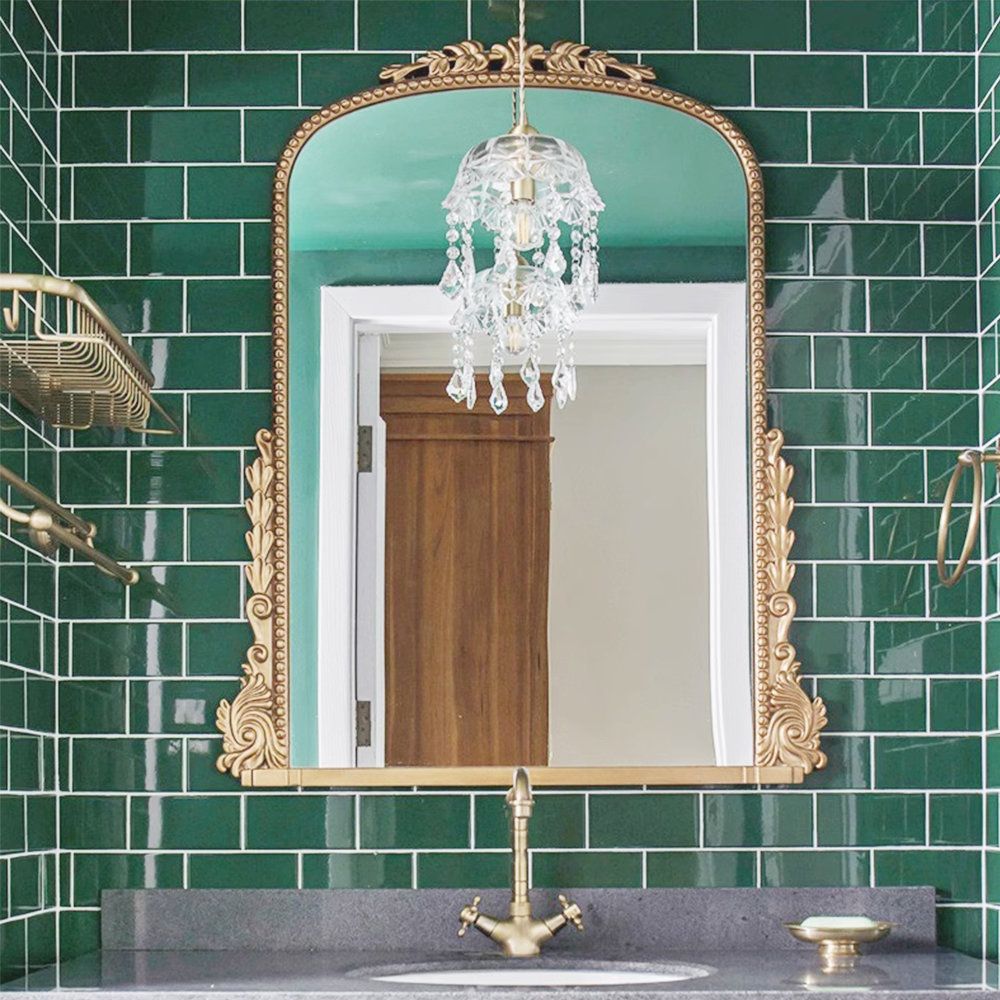
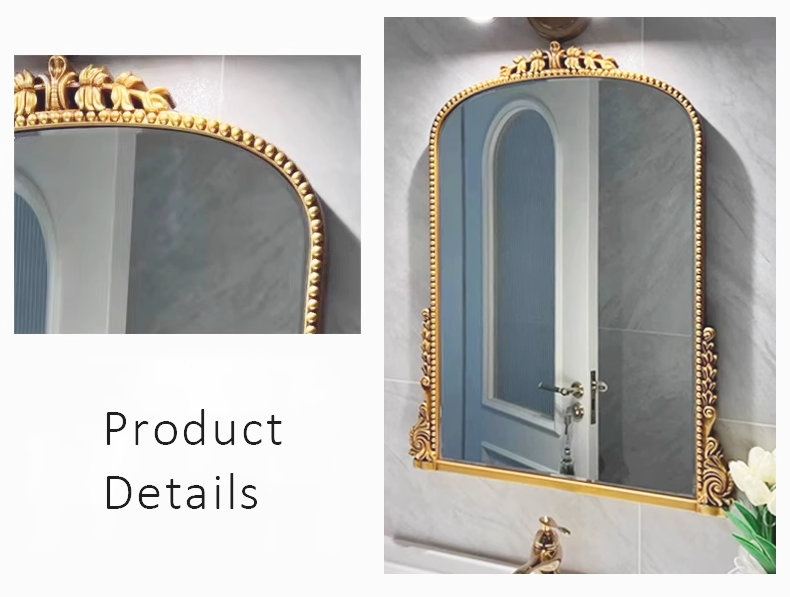
Take a close look at a popular piece like the European Vintage Large Baroque Hanging Mirror. It comes in sizes around 23”x31” with a fancy PU frame. The frame shows carved wreath patterns and a graceful arch. It brings that classic gold-finished charm to bathrooms, entryways, or living rooms.
The premium PU frame weighs quite a bit less than solid wood—often 30-40% lighter on pieces this size. That drops your shipping cost per unit in big orders. Combine it with the built-in HD explosion-proof glass, and the mirror already stands up better to travel bumps than older styles. It hangs easily with the included hardware and throws light around to make any space feel bigger and brighter.
Wholesale customers go for this look because it mixes old-world style with fresh toughness. When crews load them vertically inside display cartons, these mirrors usually arrive with far less chipping on the frames than heavier wood versions.
Packaging and Loading Comparison Table
| Aspect | Display Packing Advantage | When E-Commerce Packing Wins |
| Protection Level | Superior corner and surface cushioning | Good for lighter mixed loads |
| Weight per Unit | Higher | Lower, saves on ocean freight |
| Best For | High-end bathroom mirrors to retail | Online sales or tight-budget orders |
| Breakage Risk in Ocean | Lower when loaded vertically | Acceptable with extra dunnage |
Bullet-Point Best Practices for Your Next Bulk Order
- Always call out double-sided explosion-proof film in your purchase order.
- Ask the factory for clear vertical loading diagrams.
- Use at least two thick layers of bubble wrap plus strong edge guards.
- Toss in silica gel packs if your destination gets humid.
- Snap photos of every loaded container before they seal it.
- Order a small extra quantity to cover any surprise damage.
These habits come from years of moving container after container of home goods. They help more of your bathroom mirrors show up ready to sell.
About Qingdao Yinlongfei – Your Specialized Manufacturing Partner
Before we finish, it helps to know the folks behind steady production. Qingdao Yinlongfei Handicraft Co., Ltd., which runs as Kingwin Decor, has solid experience in home decoration items. The company started back in the early 1990s and got re-established in 2003. They run a 10,000-square-meter facility in Qingdao that focuses on mirrors, framed mirrors, and wood crafts.
With more than twenty years in the business, they ship to buyers in over 40 countries. Their team holds certifications such as ISO9001 and ISO14001, FSC for materials, plus BSCI and Sedex. The R&D group, full of people with long careers, turns custom requests into finished products while keeping quality tight from raw materials all the way to the final pack. For importers who want reliable bathroom mirror supply that balances good looks and real durability, they offer steady hands and proven ways of working.
Conclusion
Lowering breakage in big mirror orders boils down to stacking smart decisions. Start with the glass itself, move through careful packing, keep pieces standing vertical, and run proper inspections. When you put all that together, those hidden costs shrink fast. Your warehouse crew spends less time chasing claims and more time getting nice bathroom mirrors onto store floors where customers can see them.
The European Vintage Large Baroque Hanging Mirror proves how lighter PU frames and protective glass make a practical difference once the goods leave the dock. Importers who turn these logistics habits into routine sleep easier. They know their money travels safer across the ocean.
Ready to tighten up your next load? Talk with manufacturers who get both the pretty side of the product and the tough realities of ocean shipping.
FAQs
How can I reduce breakage when importing bulk bathroom mirrors?
Start with double-sided explosion-proof film on the glass. Pair it with strong display packing and vertical loading in the container. Add a solid third-party check. Many wholesalers have brought their damage down to 1% or 2% this way.
Does the European Vintage Large Baroque Hanging Mirror ship well in large orders?
It does hold up nicely. The PU frame stays much lighter than real wood, so freight costs drop. The HD explosion-proof glass gives extra protection against cracks while the mirrors move through factories, trucks, and ships.
What’s the difference between display packing and standard e-commerce packing for mirrors?
Display packing uses thicker cartons and custom foam to keep ornate bathroom mirrors looking perfect on store shelves. E-commerce packing stays lighter and more compact, but you often need more dunnage inside the container to stop shifting during the long trip.
Should I always buy cargo insurance for wholesale mirror shipments?
Yes, go for it. Even the best packing can’t stop every surprise at sea or during unloading. All-risk coverage made for fragile goods brings real peace of mind and smoother claims when something does go wrong.
Why does frame material matter for logistics costs?
Lighter options like the PU frame on the European Vintage Large Baroque Hanging Mirror cut down total container weight. That trims ocean freight bills while still giving the carved, luxurious look that buyers want.